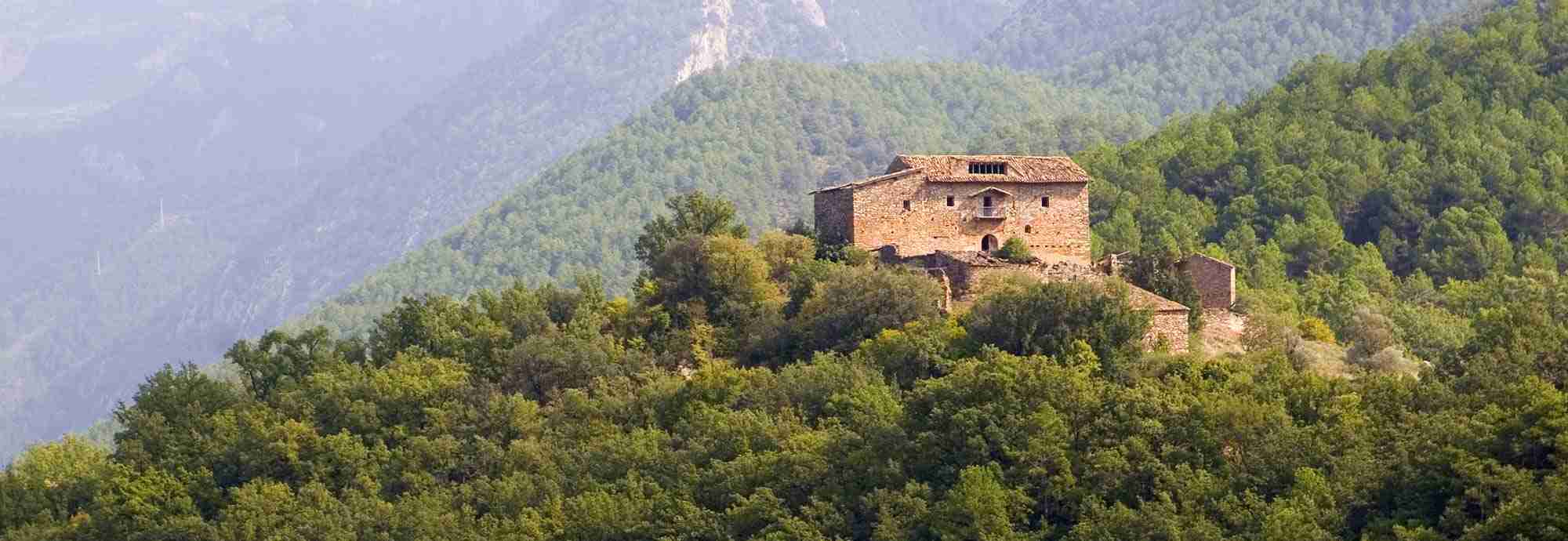
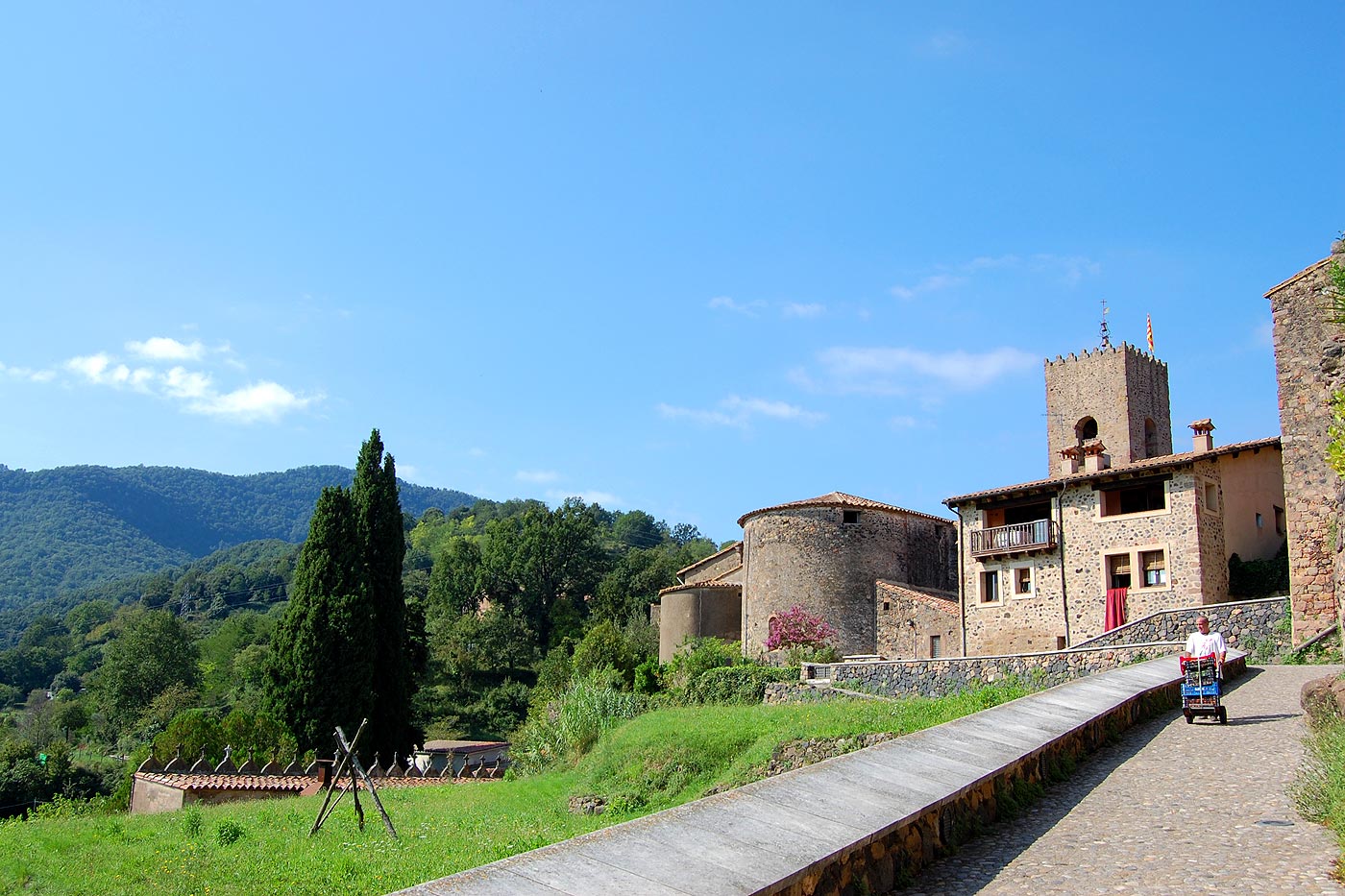
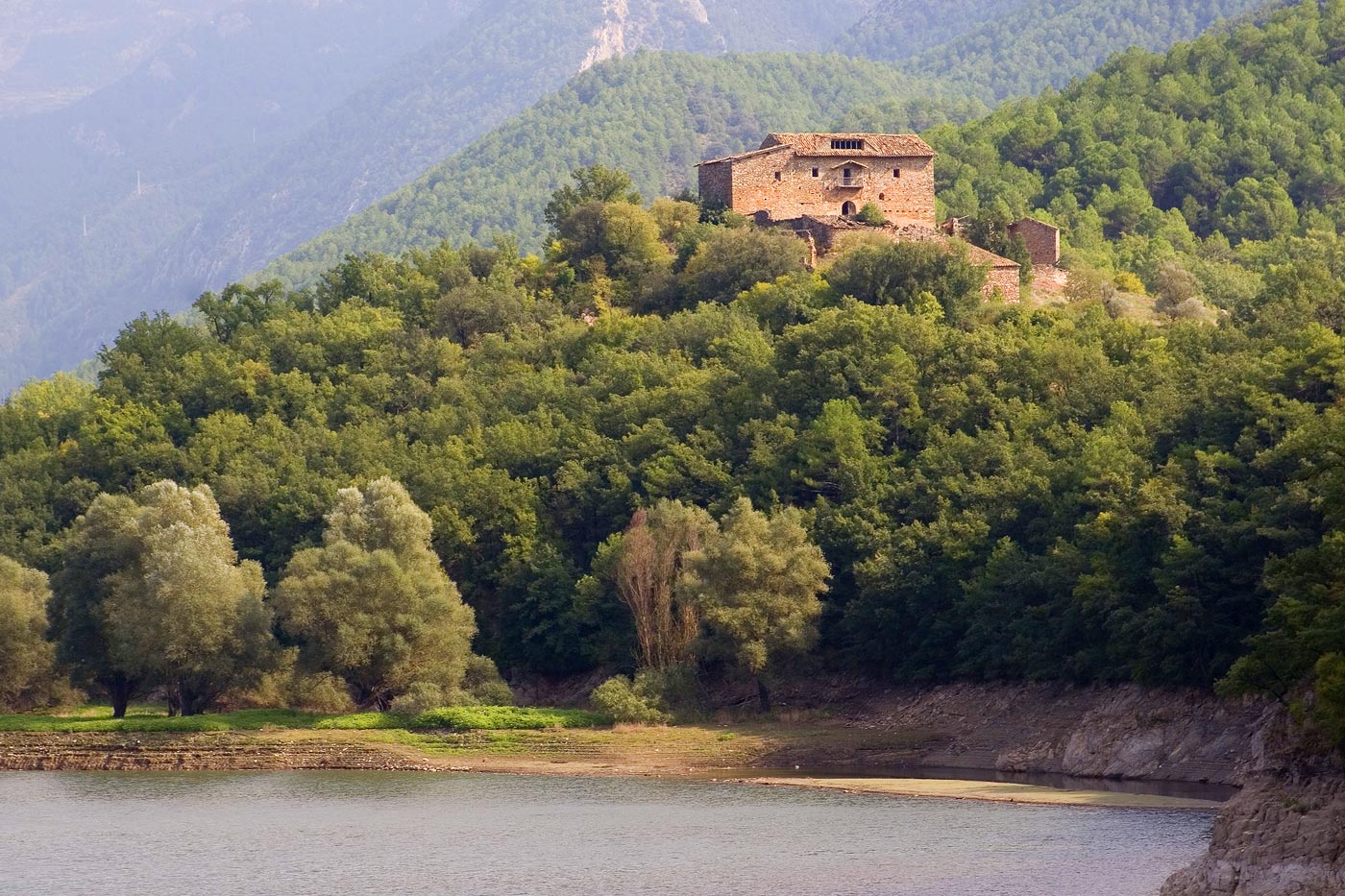
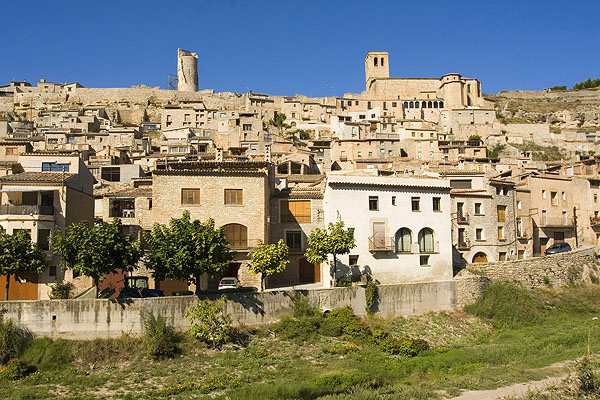
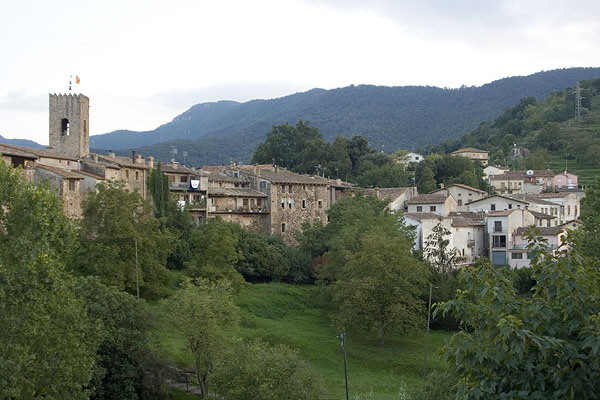
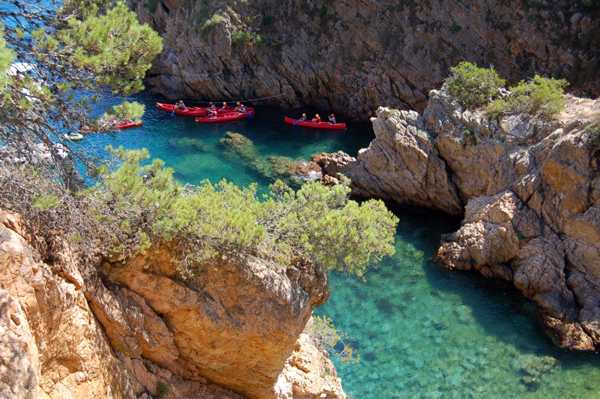
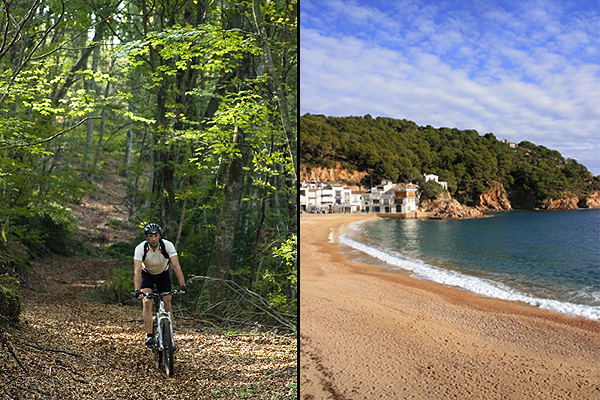
Mild, green Girona is an excellent choice for those who want to have a genuine experience of rural Spain with beautiful mountain scenery and still be within reach of sunny seaside resorts such as Cadaques, Saint Feliu de Guixols or Tossa de Mar.
Its long, rugged coast better known as the "Costa Brava," lends the land a Mediterranean climate and is the destination for sandy beaches and maritime gastronomy. At Sant Marti, you can follow a fine meal at restaurant terrace at a coastal village by a leisurely stroll along the beach to the ancient Greek and Roman ruins of Empuries.
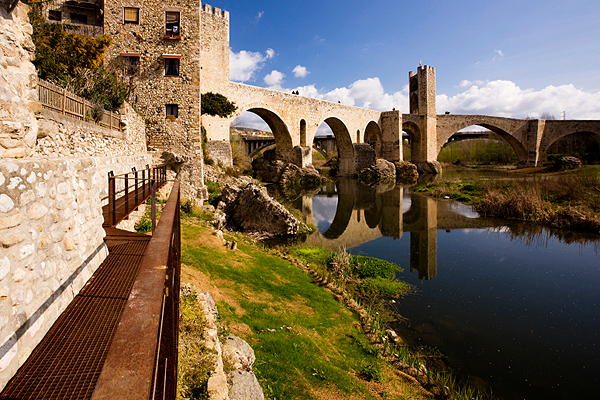
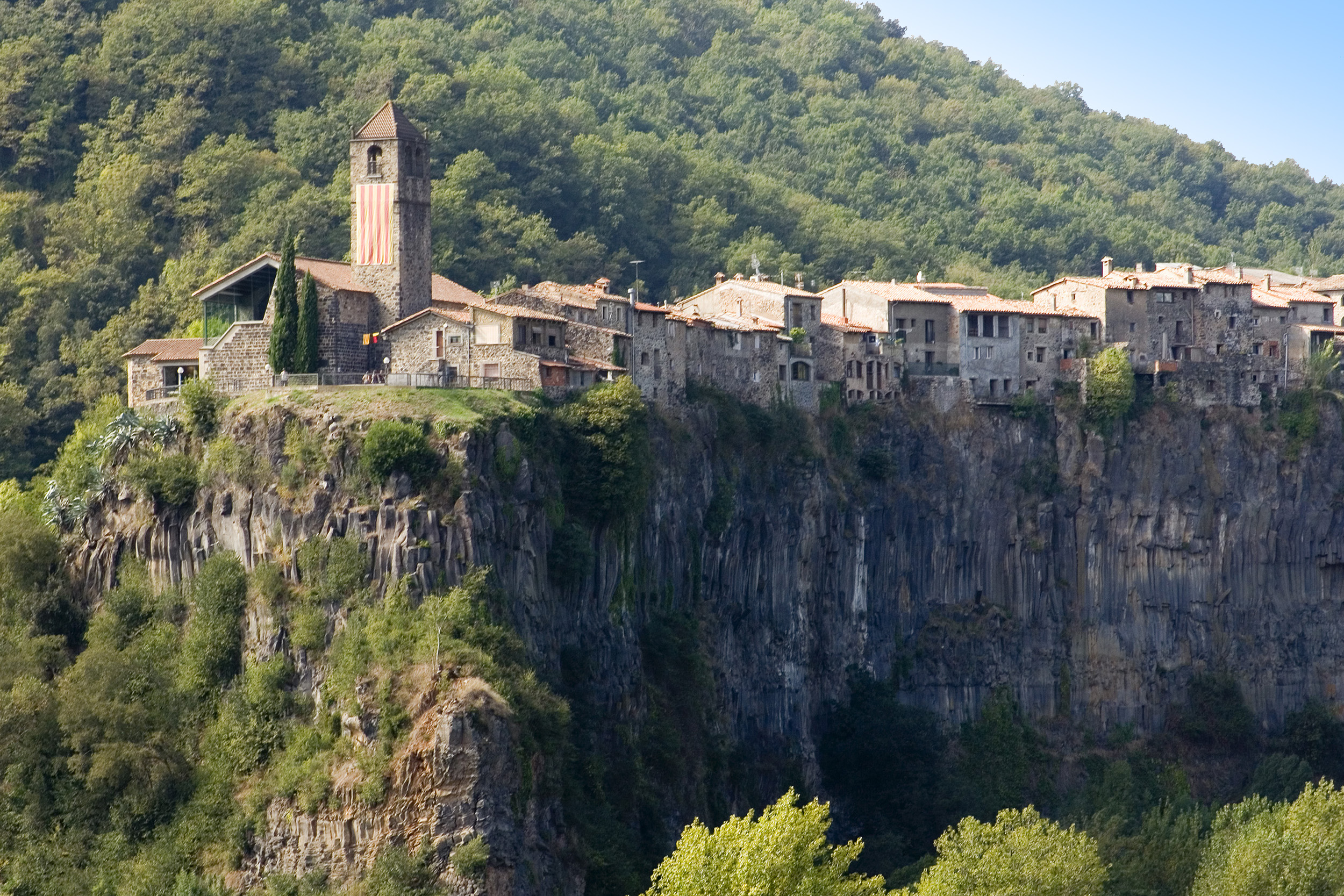
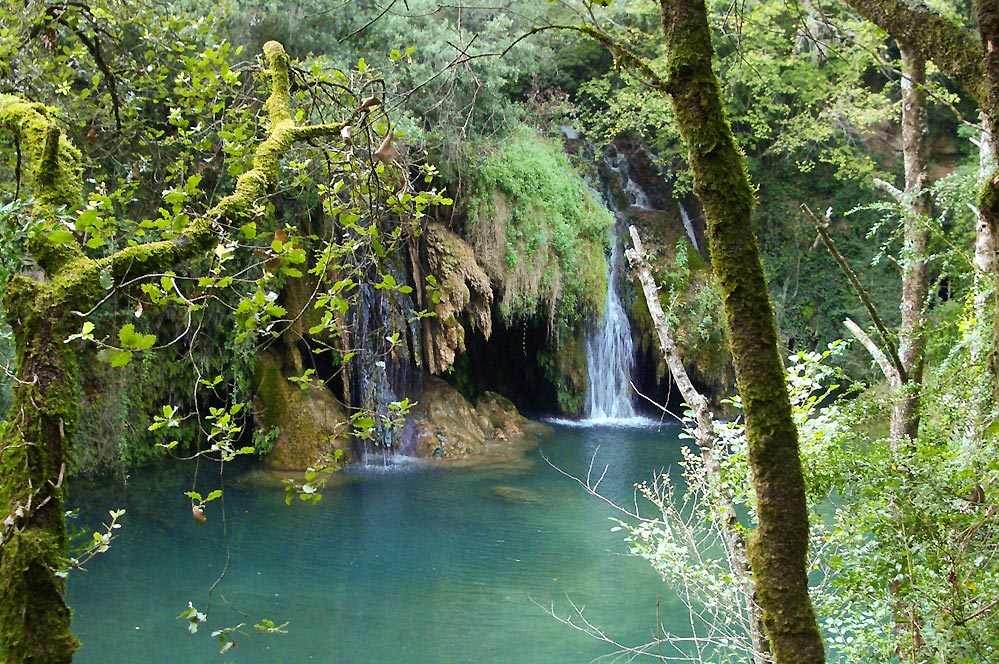
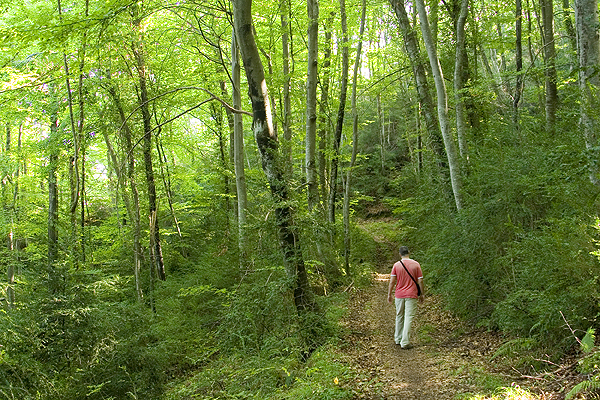
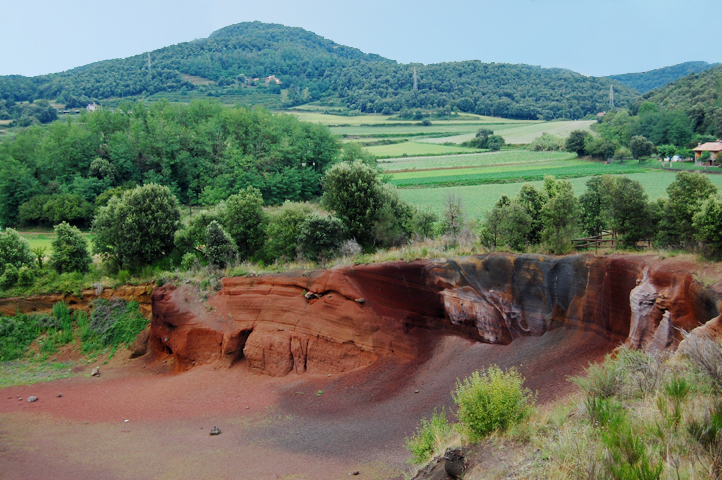
Range inland from Costa Brava's beaches and rocky coves – the route was chosen by National Geographic as one of its Best Trips in the World 2012 – and you pass from fertile plains rise to hilly country and La Garrotxa, an extraordinarily beautiful area of forests, extinct volcanoes, medieval villages and marvellous walks.
The Girona region is a mecca for walkers. South of La Garrotxa, midway between Girona town and Barcelona, is Catalonia's oldest Natural Park: Montseny. More than anywhere, Montseny is the home of hikers. The area is also the source of most of the mineral water bottled in Spain, and the aquifers generate the profuse, healthy forests that populate the Park's mountainsides.
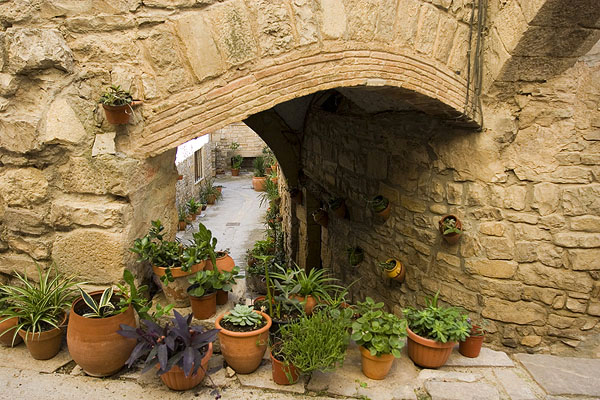
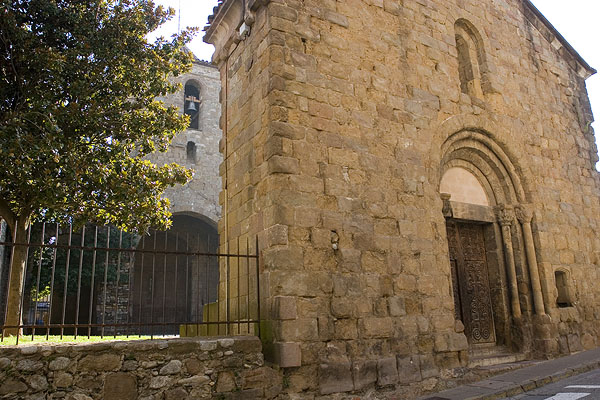
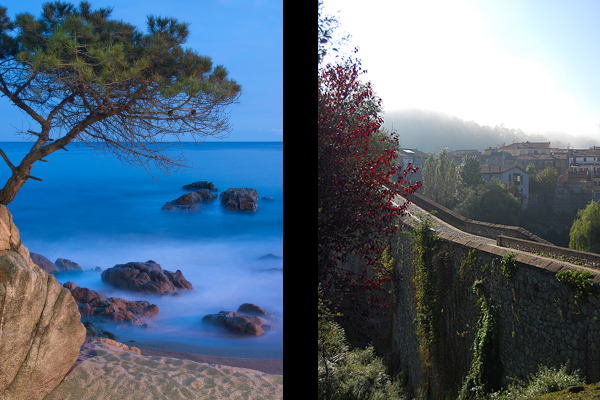
The small and lovely city of Girona is worth a holiday in its own right. It has old stone buildings, cobbled streets and small squares, museums, a Gothic cathedral, a historic Jewish quarter, restored Arabic baths and botanical gardens. It holds fairs, theatre festivals and musical events in addition to the obligatory holiday festes.
A relaxing and interesting promenade leads you along the broad River Onyar and past classy shops to an old town bounded by a well-preserved Roman wall.
For a day out in Girona we recommend our blog article about Girona city.
If you're looking for yet another reason for coming to Girona province, there's art and wonder in Figueres, birthplace and resting place of Salvador Dali, where you can visit his castle museum.
Girona's Costa Brava international airport has budget flights.
LLEIDA (PYRENEES) REGION
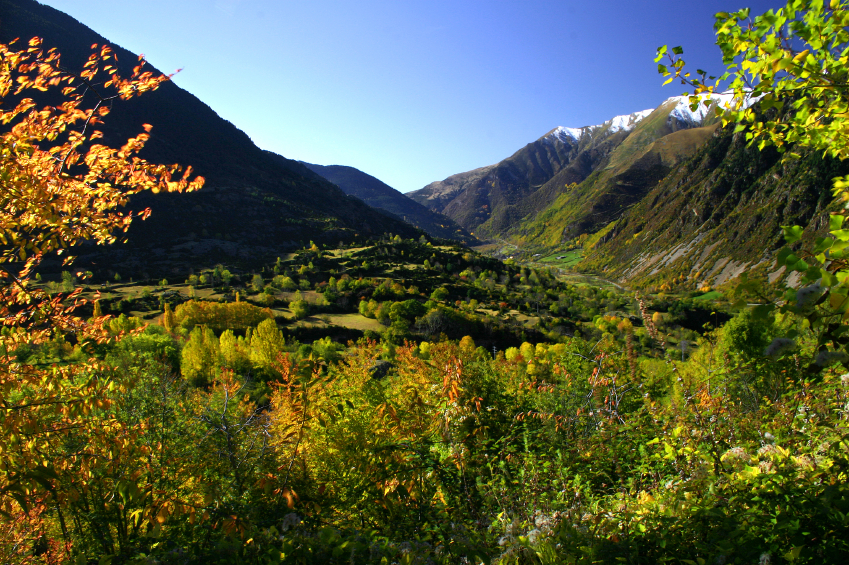
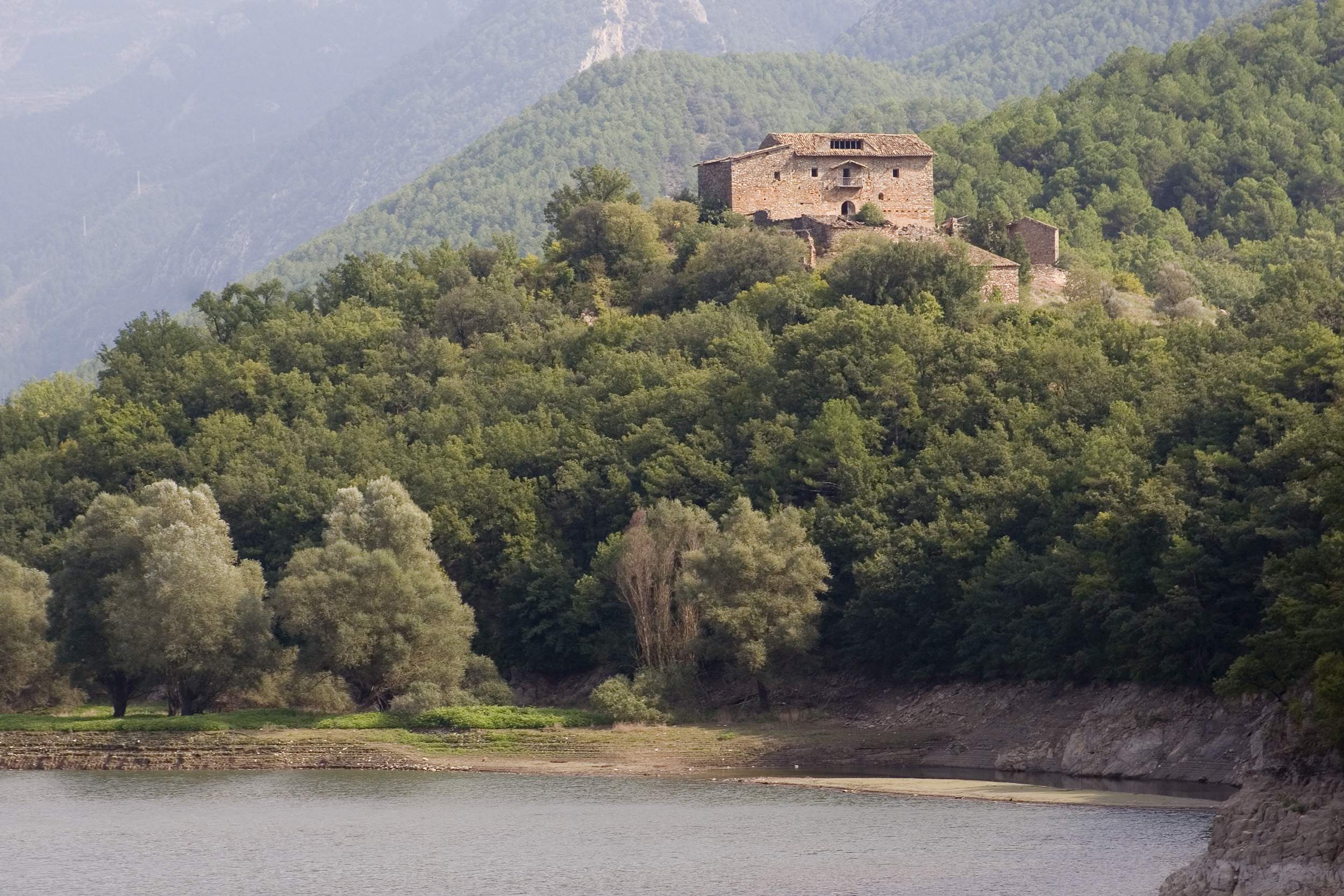
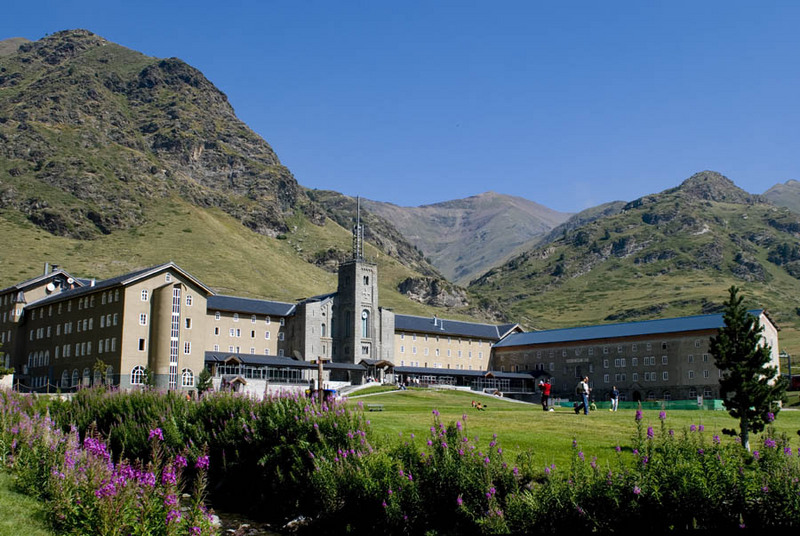
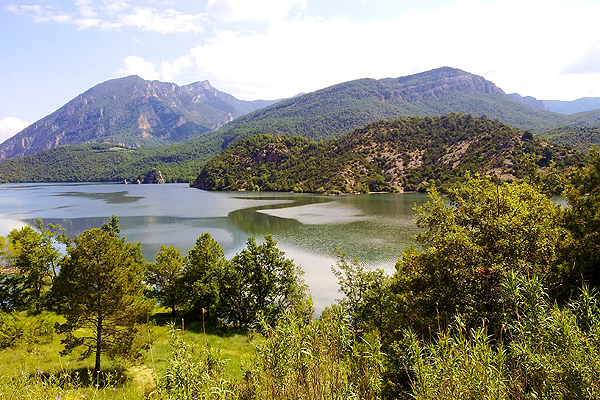
Where Catalonia's hills morph into the picturesque valleys and peaks of the early Pyrenees, rural tourism in Lleida (Lerida) province comes into its own. Here, spectacular landscapes blend Mediterranean pine with beech and coniferous alpine forest.
In the Pyrenean mountain world you will find eco-friendly holiday cottages, perfectly preserved Romanic villages, fine restaurants, great hiking, canyoning, canoeing, river rafting and wild swimming.
Freedom from pollution extends to the clarity of the night sky. There is so little artificial light to compromise the air purity in this high altitude region that a major observatory was built on Montsec mountain. You can visit Àger Observatory and watch solar flares by day, or the planets at night.
Aigüestortes in Lleida is a wild and wonderful National Park. The Pyrenees already rise to 3,000 metres and you will find nature at its most pristine in its valleys and lakes.
We also recommend a visit to the Vall de Nuria, which can only be reached by a mountain train. The train passes through dramatic scenery to a high mountain area of outstanding natural beauty. In winter months it is a lovely little ski resort and in summer a great starting point for treks.
Hiking and other outdoor pursuits combine nicely with a tradition for eating well. Catalans having always put the mixed influences from other regions to simmer in their cooking pots and local cuisine reflects the varied characteristics of its land and people.
TARRAGONA REGION
Tarragona is a coastal province highlighted by the major Roman remains of Tarraco. The Roman influence may explain why the area has always been an important producer of wines and spirits.
At Reus an international airport provides another entry point into Catalonia for many tourists.
BARCELONA REGION
Catalonia's capital of Barcelona, even more popular with tourists than Spanish Madrid, has a cosmopolitan vibrancy that marks it out as one of Europe's great cities. It's a major port, trade and cultural centre, especially for media, film and other arts.
The city is near enough to many rural holiday locations to be seen on a day trip.
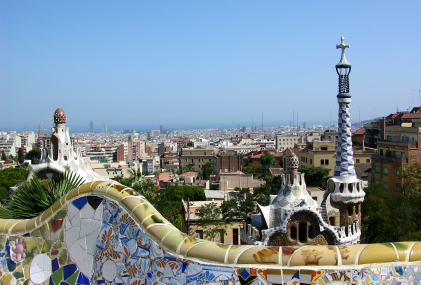
No visit would be complete without a stroll down the Ramblas and around the Gothic Quarter, while Gaudí's extraordinary creation of the Sagrada Familia cathedral is one of the modern architectural wonders of the world.
For the best views of Barcelona without a car, go up Tibidabo mountain or the hill of Montjuic which rises above the city directly from the centre. A combination of Metro and funicular rides takes you up to the summits. Tibidabo is the site of the Sacred Heart church and amusement park, while Montjuic, overlooking the port, has gardens and museums, including the Fundació Miró.
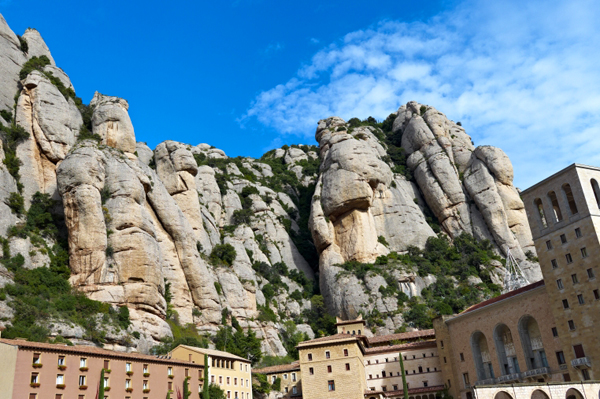
Outside the capital, Montserrat is a high jagged mountain of steep, striking pink rock, popular with climbers. On its summit – accessed more leisurely by road, the Montserrat rack railway or cable car – sits a Benedictine abbey.
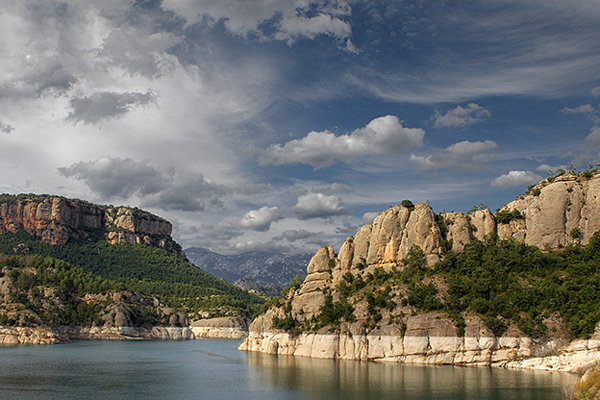
Rural Barcelona is marked by the high standard of its holiday accommodation in a hinterland steeped in history and grand in its visions of mountain and pasture, with the sea, pretty fishing spots and isolated beaches never far away. The heartlands are home to lakes and the salt mountain at Cardona and the Cadi mountains, where Berga is the gateway to the early Pyrenees.
Gastronomy here and elsewhere in Catalonia is first class, with seafood, rice dishes, good wines and Catalonian cream dessert being common favourites.
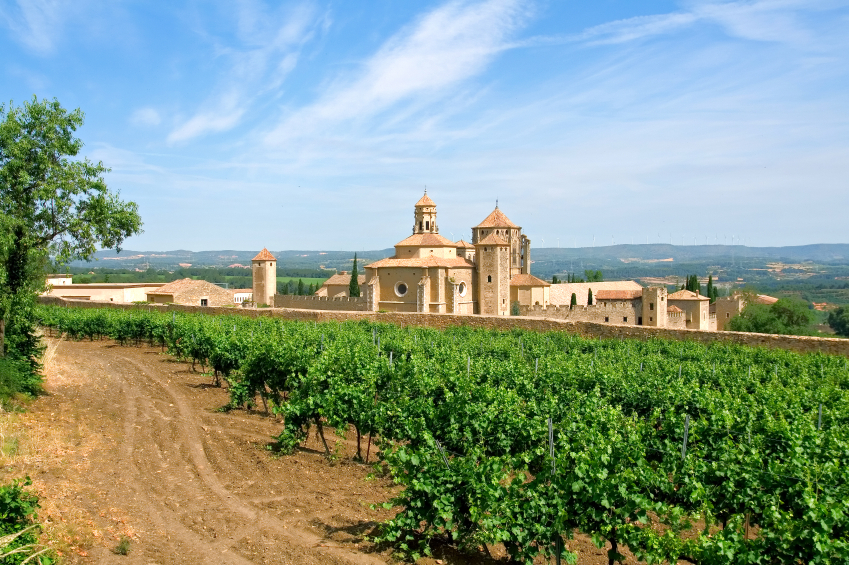
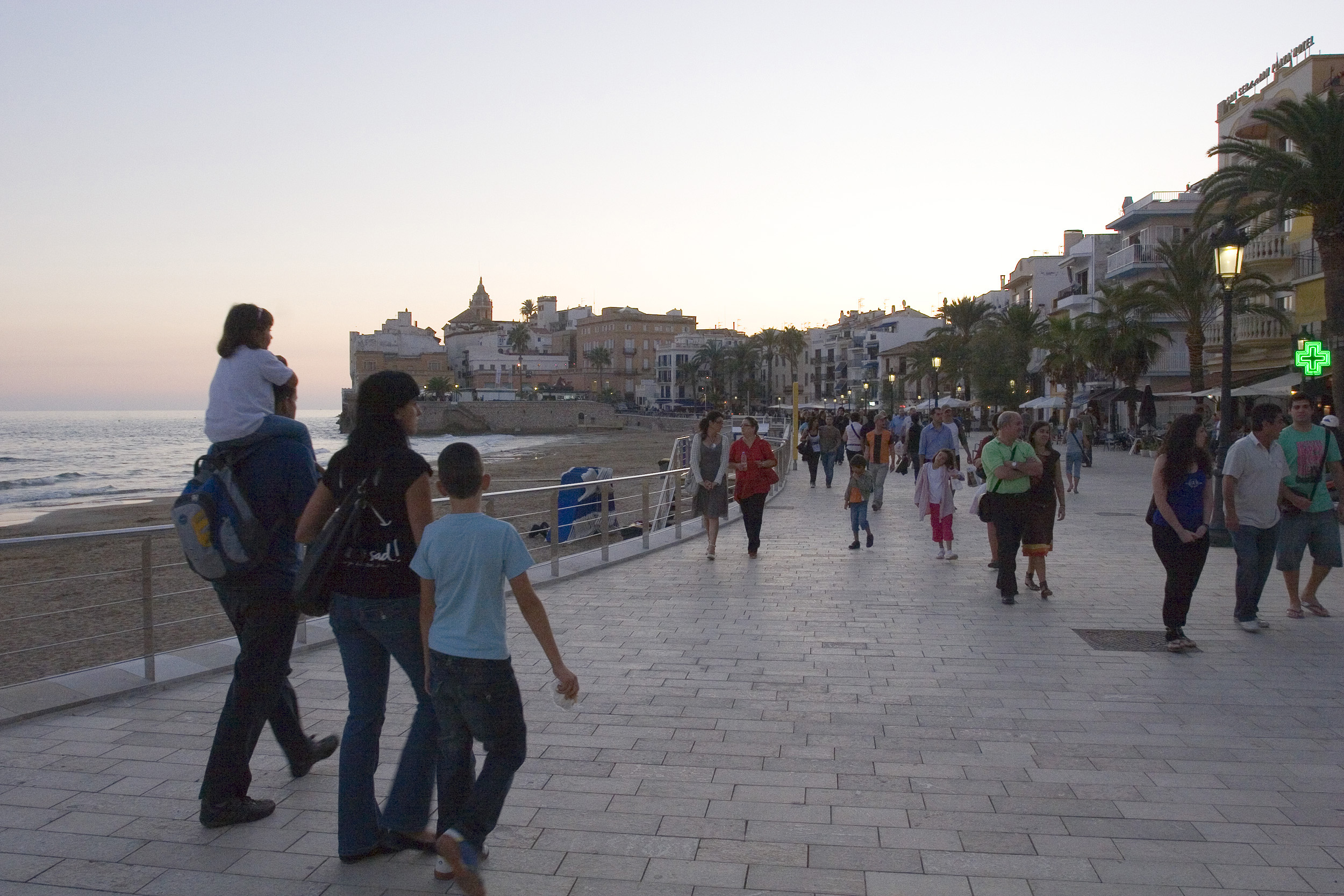
Barcelona region's Penedès wine area, close to Sitges beaches, has castles, ancient villages, and the famed Cistercian Route, whose well-signposted walks link three Benedictine monasteries. The red wines of Penedès are well worth getting to know, although it is the sparkling cavas that stand out and are best known.
WHY GO
The natural splendour, the Costa Brava, the wonderfully conserved heritage of castles and public buildings and popular architecture, together with high standards of accommodation and cuisine are all compelling reasons for visiting Catalonia. But it's also worth a moment to understand the people who have created their own "country within a country."
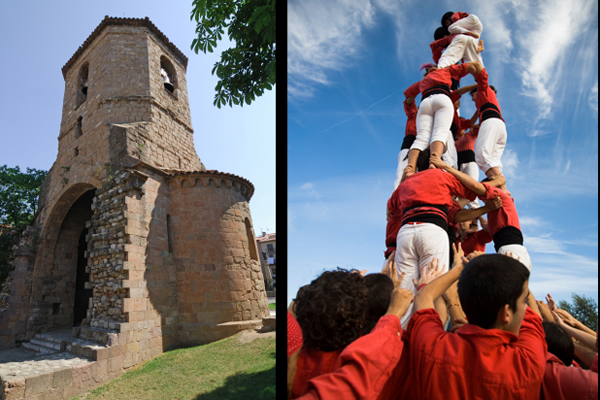
Candid, smart, contradictory, sophisticated, the Catalonians have a long tradition of welcoming visitors from overseas while defending a distinct autonomy.
For a long age, the region reigned independently from the rest of Spain under the Crown of Aragon, whose ships held sway in the Mediterranean, laying the foundations of a rich trading kingdom that extended south to include Sicily and Sardinia. Catalonia opened its doors to the people of neighbouring countries with whom they engaged in commerce. As a result, the population is historically a blend of French, Italian and above all Andalucian settlers from the Spanish south.
Catalonia today is a land of proud and industrious people who make a distinction between themselves and the rest of Spain, upholding the sense of a separate identity expressed in their own Catalan language and culture. Spanish is understood and spoken, but don't be surprised if you find French or English more welcome.
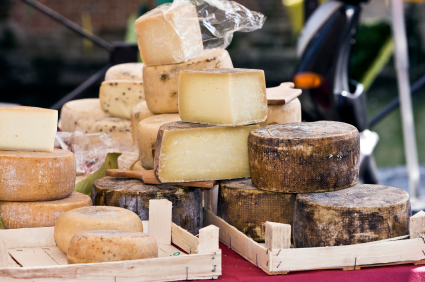
In the Catalonians, you will meet a people marked out by their seny, or common sense, which embraces a culture in which good living is prized. Delicatessens with their hams, cheeses, duck and selected wines are favoured over plain supermarkets and the quality of life is as high as anywhere in the Iberian peninsula.