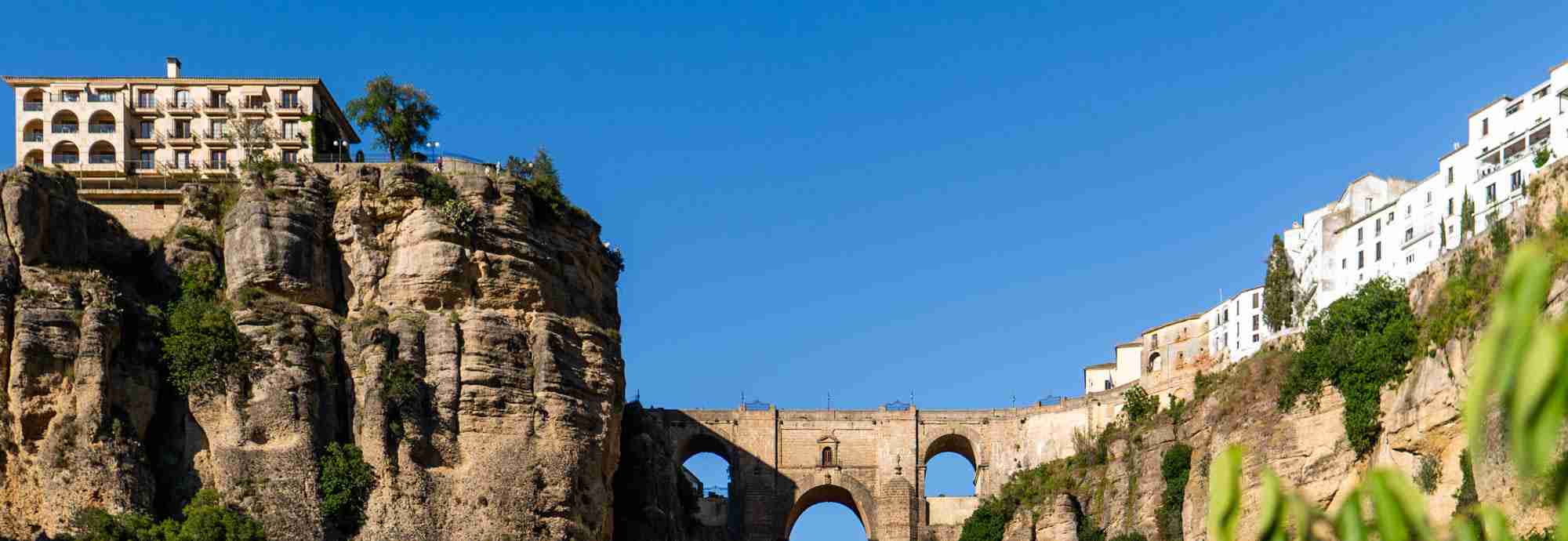
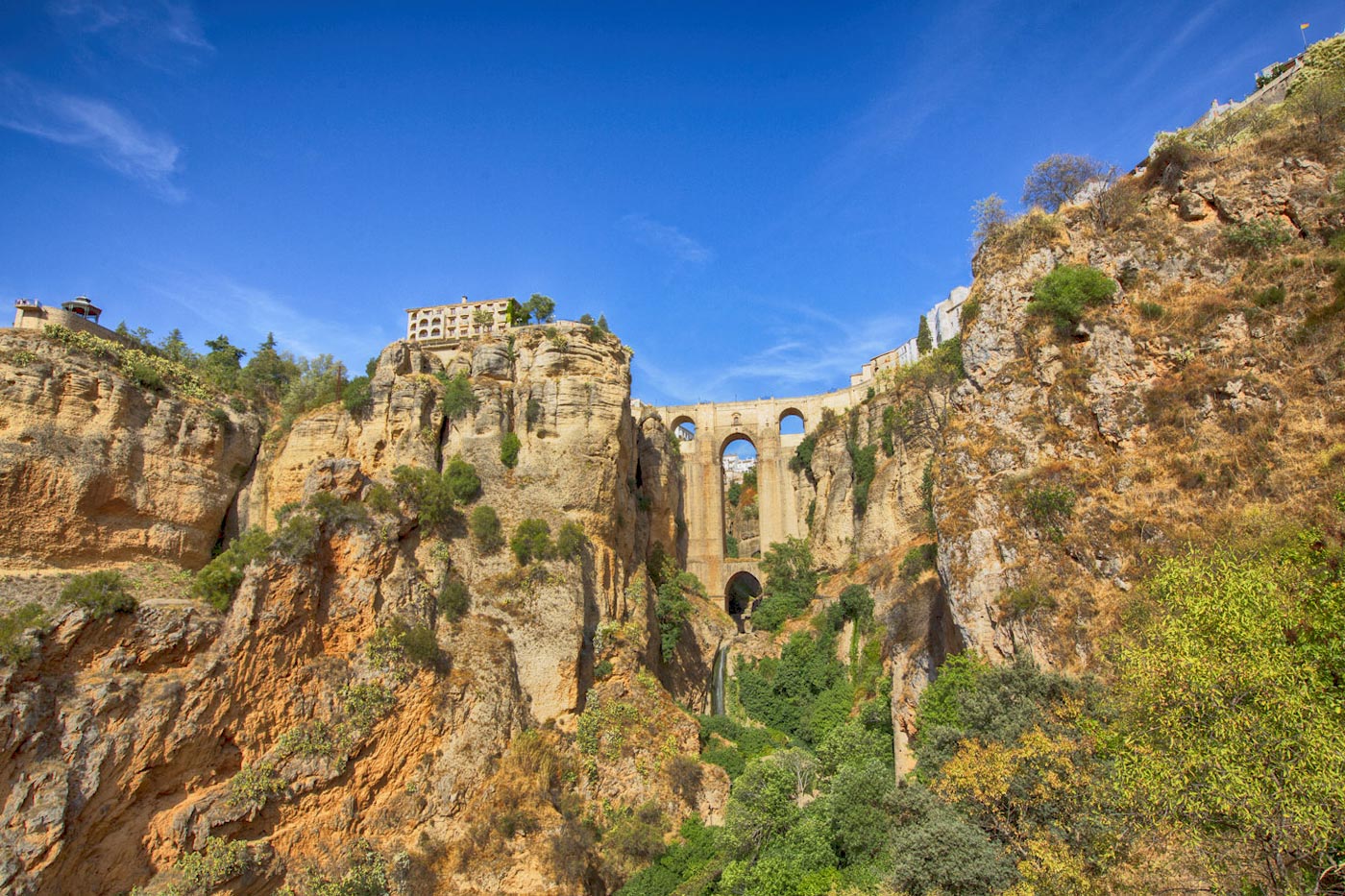
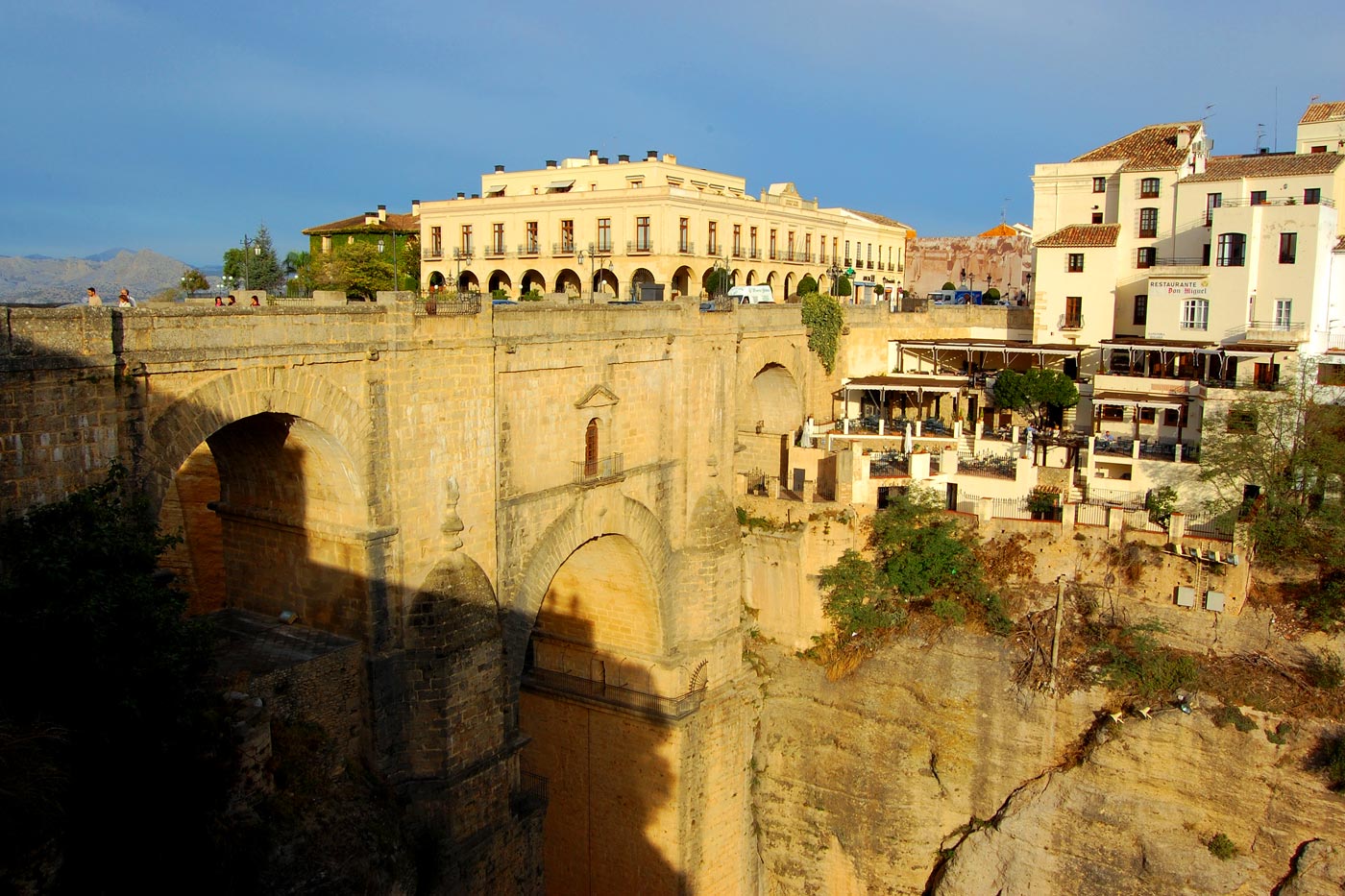
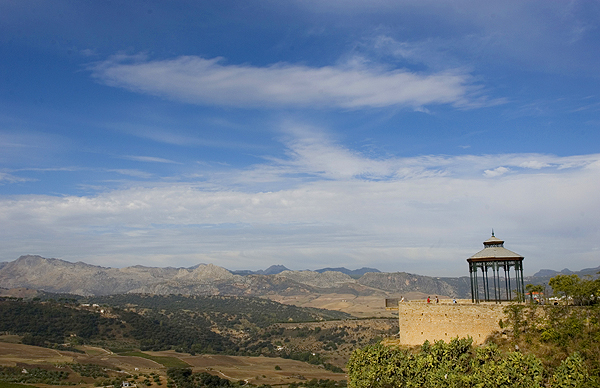
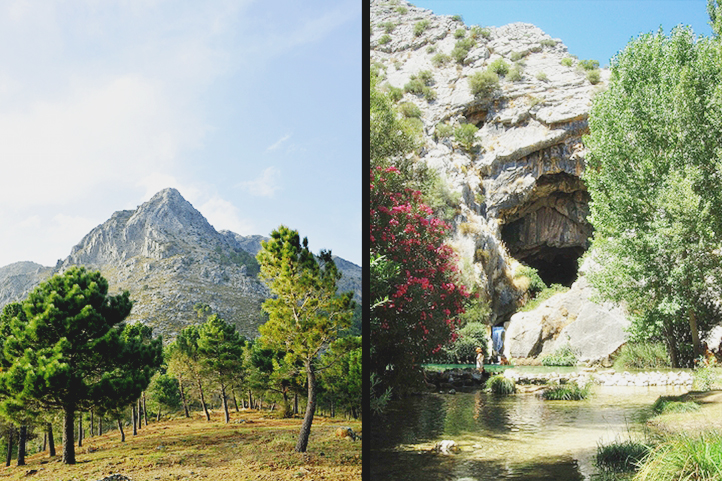
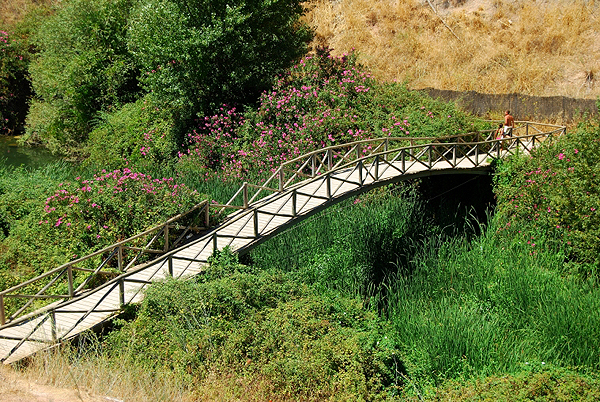
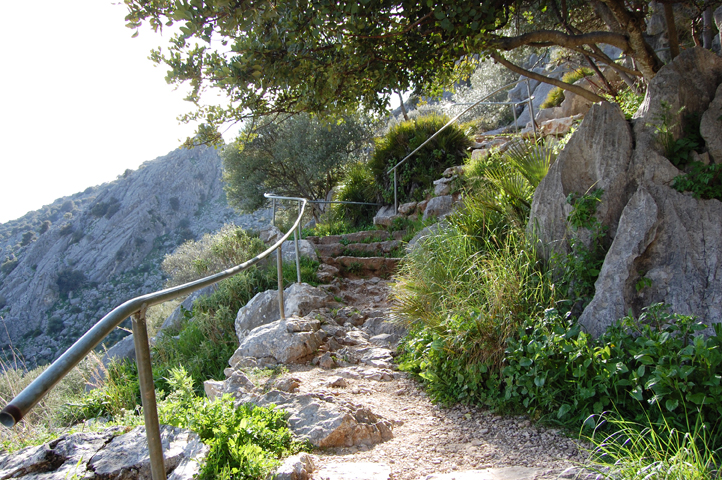
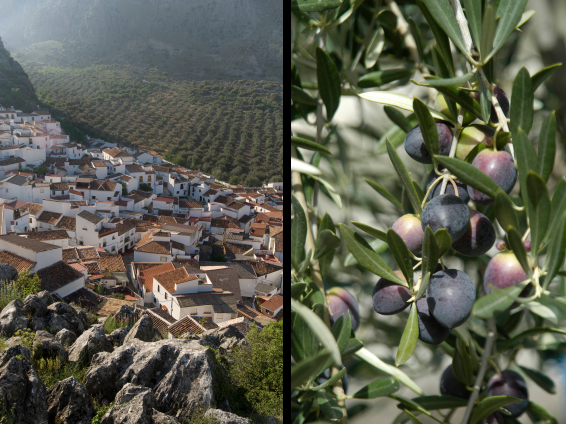
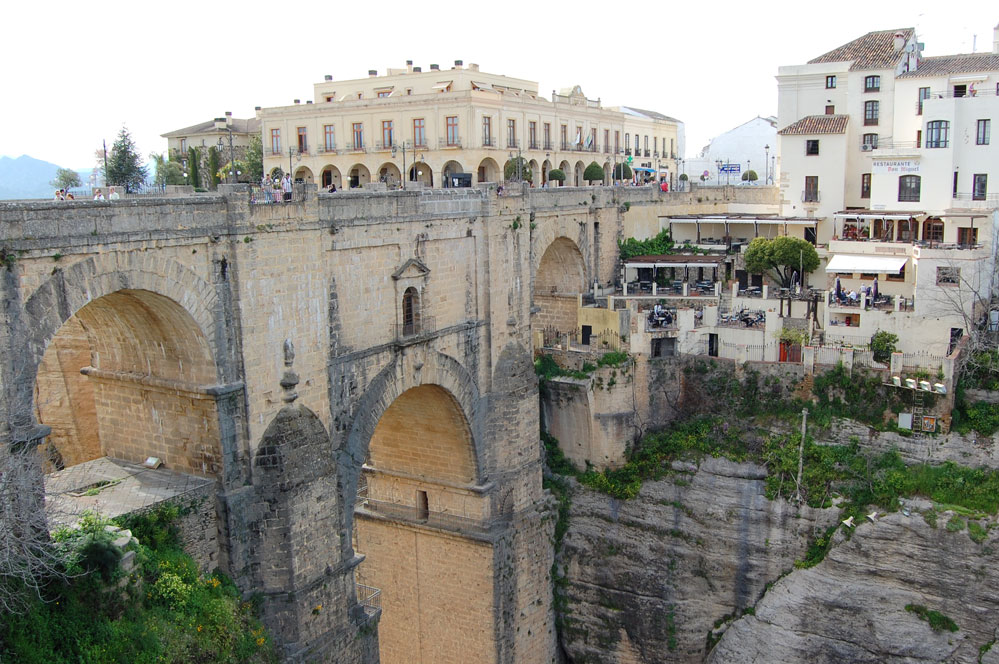
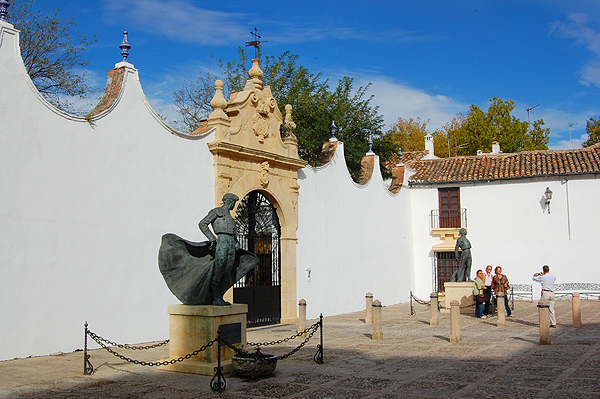
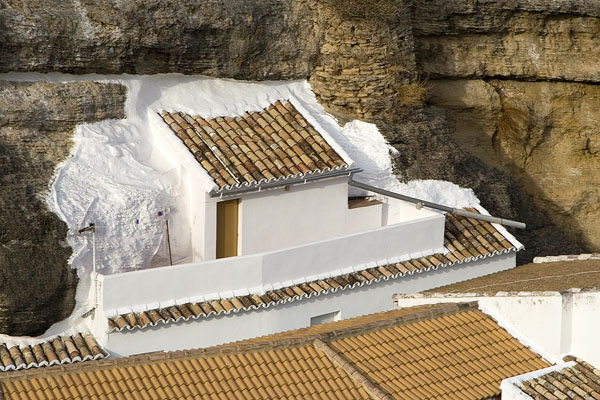
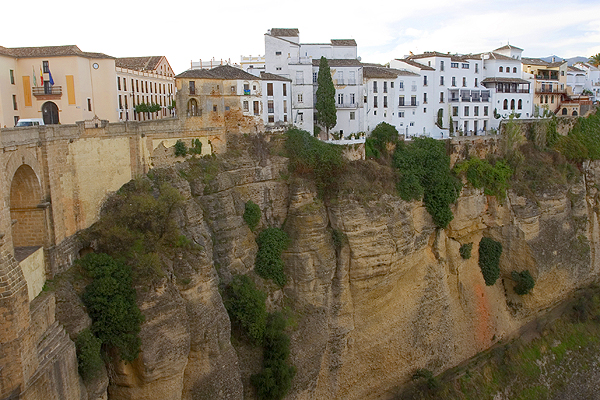
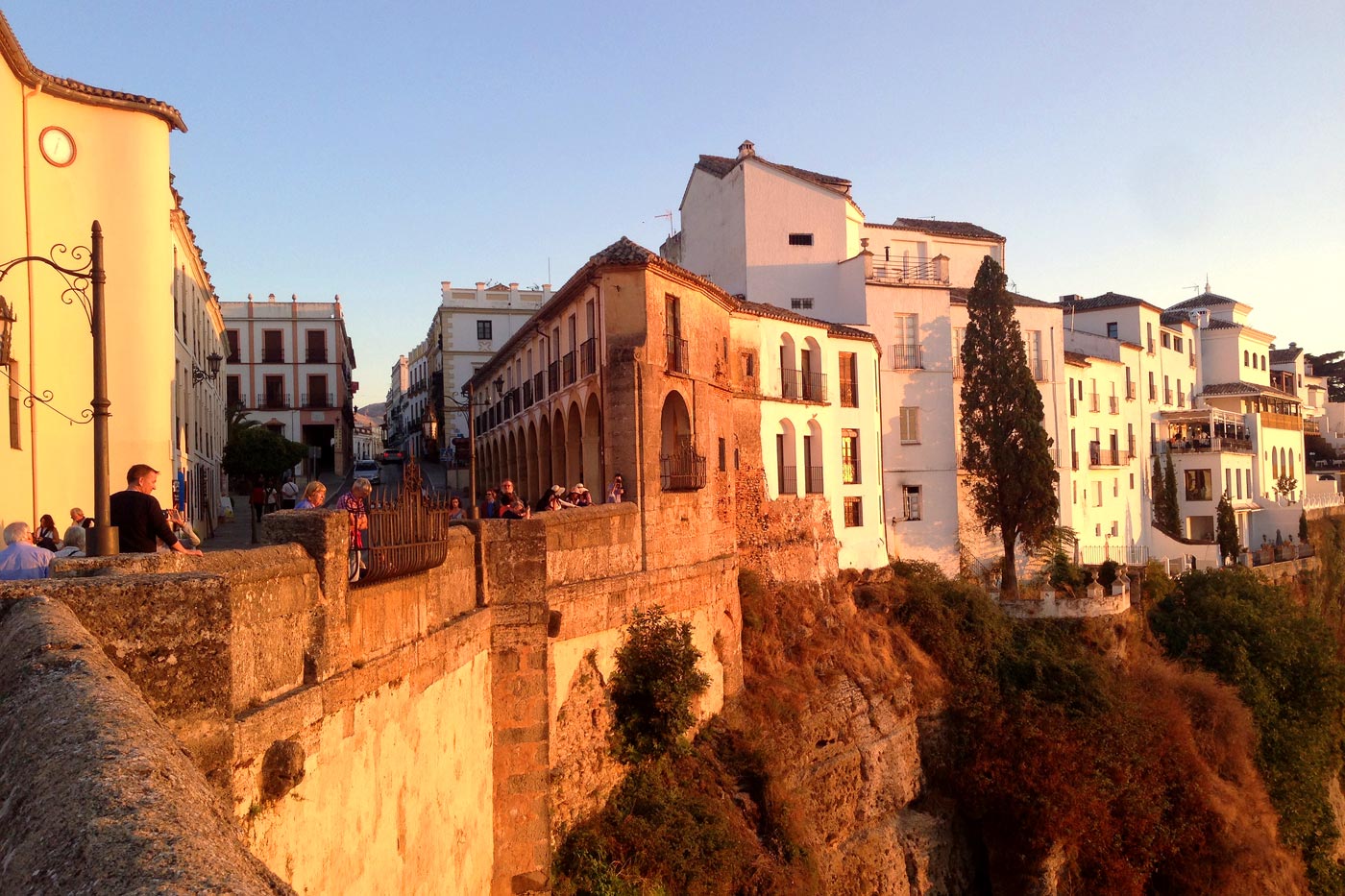
The most interesting buildings in the city span the centuries, epitomized by the "new" bridge (completed in 1793) over the plunging Tagus Gorge, which connects the old town of La Ciudad with the newer El Mercadillo neighbourhood of Ronda. There are two other, even older bridges but this is the most dramatic.
It's hard to look down into the chasm from Ronda's Puente Nuevo (New Bridge) and not feel the headiness of its past. Or is it that 100-metre drop?
The Moors made use of the deep gorge to establish a stronghold that endured from 713 AD until 1485, when the conquering Catholic Monarchs rode in as part of a military sweep through Andalucia that culminated in the taking of Granada in 1492.
It is believed to be the setting in Hemingway's For whom the bell tolls for a scene during the Civil War, in which Nationalist supporters are flung to their death by Republicans (a cruelty that would later be revisited upon Republicans by Franco's victorious army).
La Casa del Rey Moro, the so-called House of the Moorish King, is in fact nothing of the kind, having been built in the 18th century and inexplicably remodelled in the worst possible style much later in the 1960s. But the Moors did cut the steps down from the house's gardens to the curious Water Mine. Descend through time down the 300 steps and then imagine carrying a filled water skein back up... Further down the gorge are restored Arabic baths, well worth a visit.
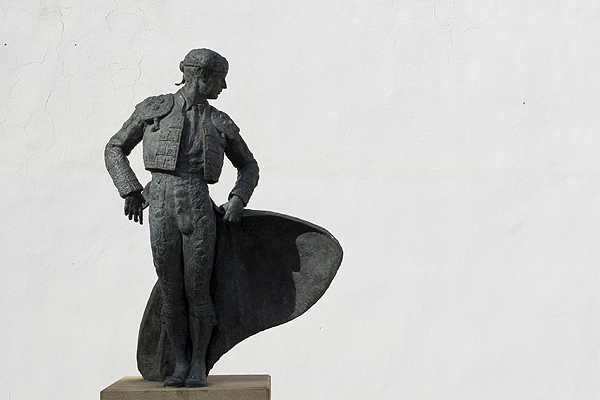
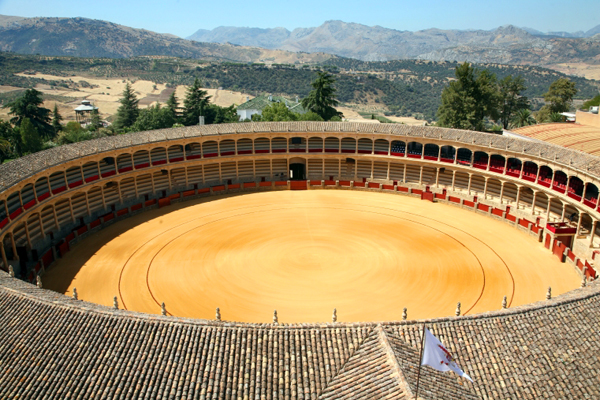
The famous bridge's architect also built the neo-Classical bullring, one of the oldest in Spain. Modern bullfighting was born in Ronda when Pedro Romero styled a new school of tackling bulls by getting off his horse and fighting them face to face. Ernest Hemingway and Orson Welles (whose ashes were scattered here) were fervent aficionados of Ronda bullfighting. The bullring no longer stages fights, but you can visit and walk around the ring and its museum with costumes and carriages.
Ronda is a very traditional town. The local citizens are proud of their annual romería, a fêted pilgrimage centred around the statue of the Virgin of the Head (sic), which is held aloft across the Puente Nuevo to the sound of singing, drums and other musical instruments.
In La Ciudad, a 16th century convent has been made into an art museum and cobbled streets run between mansions that are homes still to some of Ronda's oligarchy. Visit Palacio Mondragón and wander down the alley to Plaza Duquesa de Parcent, the most appealing and interesting of Ronda's squares. From here, Armiñan street takes you to the San Francisco district, where bars and restaurants abound.
Wine lovers may wish to test the delicacy of their palates at Ronda's wine museum (Museo del Vino), which you will find in the Nasrid palace's Casa del Gigante. The wine-tasting school here claims it can teach you to distinguish 56 aromas in a single glass. You may decide that you need to make several attempts before you are satisfied.
The town has a host of hostelries and restaurants. To help you with the mouth-watering choice, the Ronda Guide we send to holidaymakers coming to villas here documents several tried-and-tasted recommendations for tapas bars and eating out.
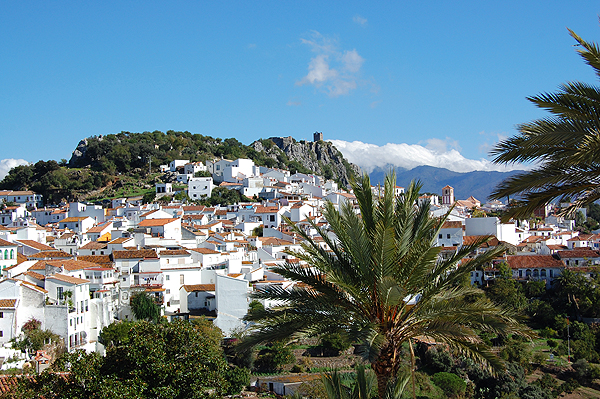
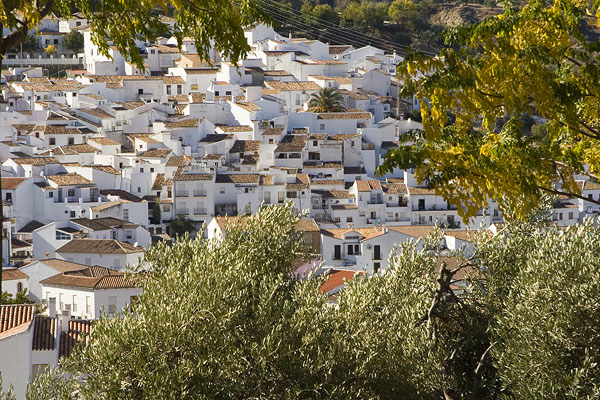
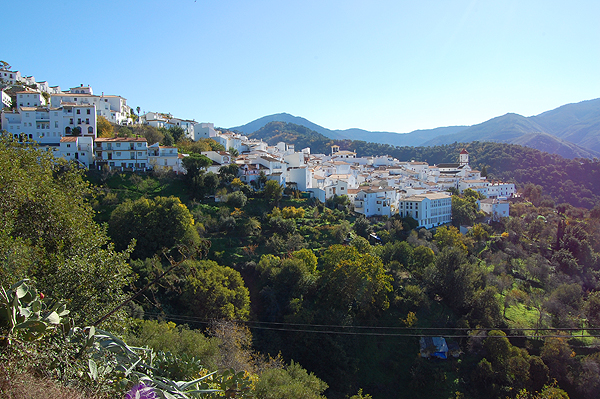
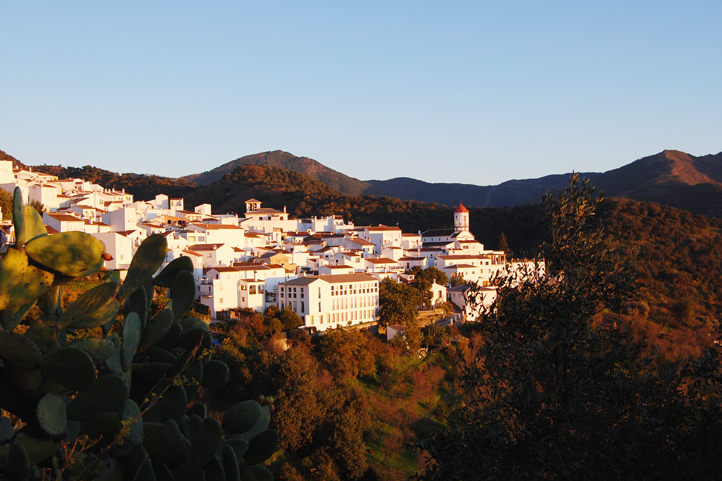
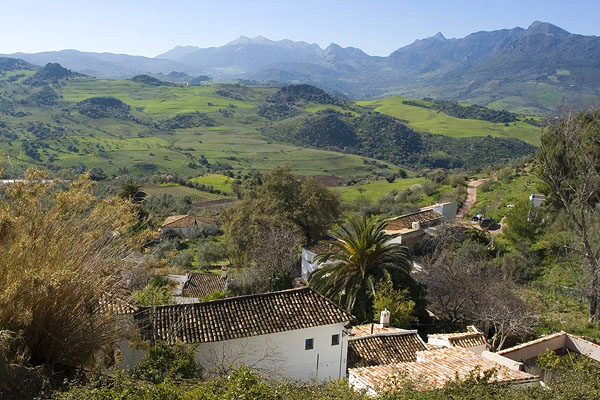
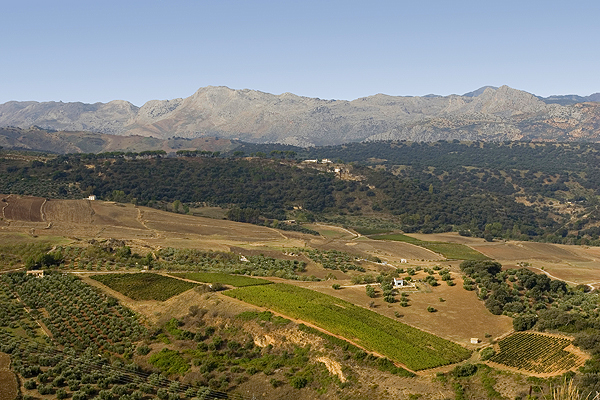
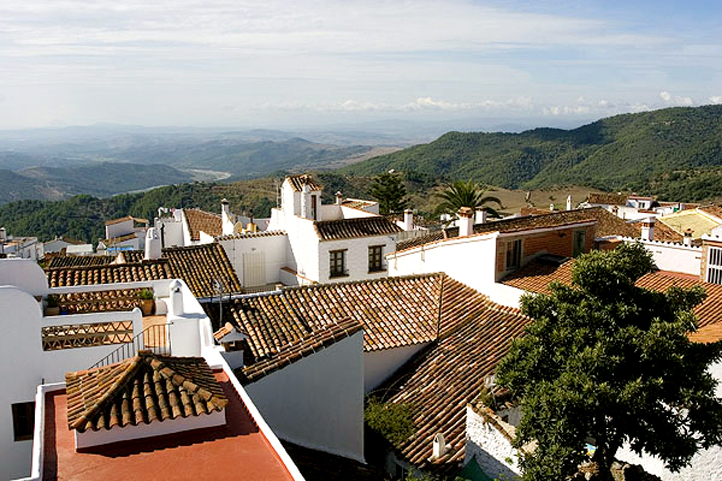
Ronda's colourful past has another chapter. From the 17th to the 19th centuries, bandits were a constant scourge in the foothills around the town—the city's unique museum of banditry (Museo del Bandolero) attests to that history—forcing those living on the fertile plains below to take refuge in settlements on hilltop locations. These would grow to become the famed pueblos blancos, or white villages.
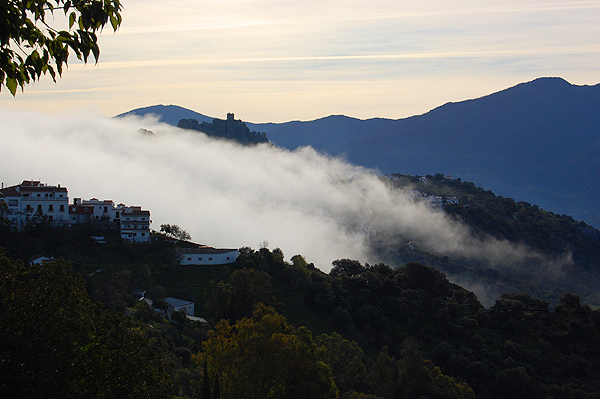
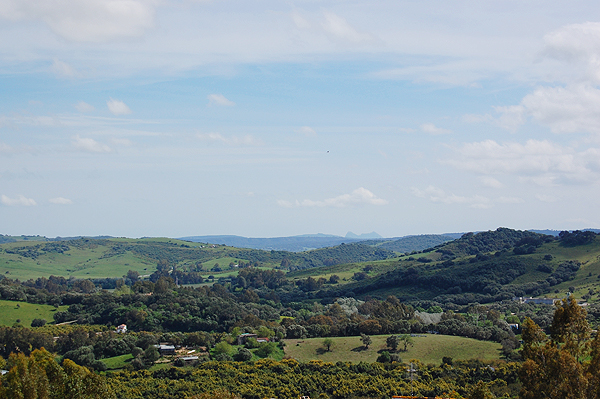
The strategic placement of these twenty or more strongholds is responsible today for the tremendous views and rural surroundings they offer holidaymakers.
Among the most attractive of these Ronda mountain villages are Gaucin, Jimena de la Frontera, Grazalema and Genaguacil.
GAUCÍN
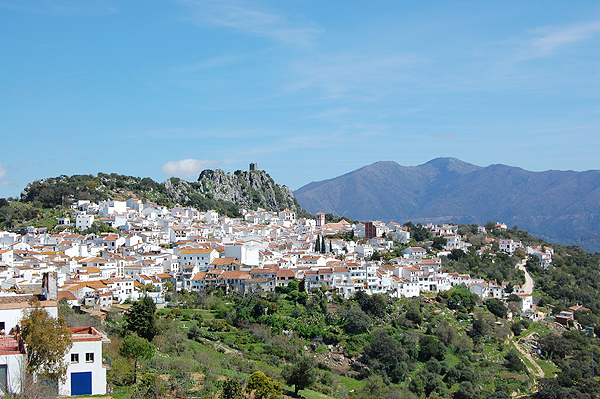
One of most popular vacation destinations of all the villages in the Ronda Mountains. Gaucin lies inland from coastal Marbella, Estepona and Gibraltar and links the coast via the mountains with Ronda.
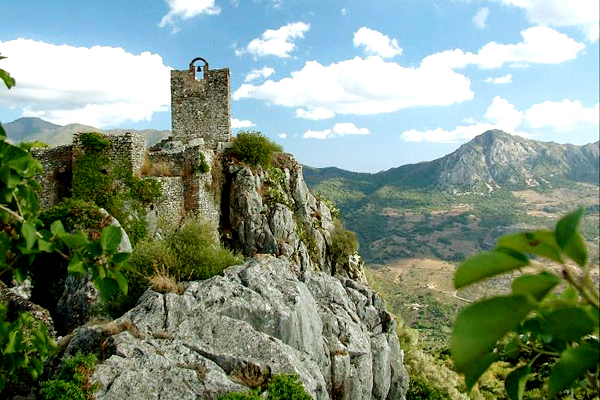
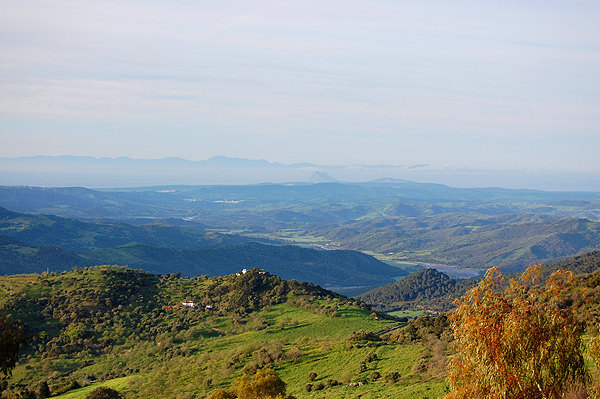
Topped by Eagle Castle on its high cliff and looking down to the Mediterranean Sea – Gibraltar to the east and Morocco in the far distance – it has a history going back to Roman times and enticingly twisting streets where you will find holiday homes in local whitewashed style.
Among its celebratory traditions are Carnival, an annual August fair, and the Holy Week processions, which climax in the running of a bull on a long rope through the streets on Easter Sunday. Gaucin may make you want to stay.
Certainly a small community of European artists has grown up here over the years. You can walk out of the village into the hillside, rich in wild flowers, almond trees and olive.
Birdwatchers descend on Gaucin at various times of the year to see a host of species, especially raptors.
Beaches are half an hour away. The charm and relative peace-and-quiet of small coastal villages such as Sabinillas and Manilva with their boulevards and chiringuitos (beach restaurants), are a far cry from the big resorts.
JIMENA DE LA FRONTERA
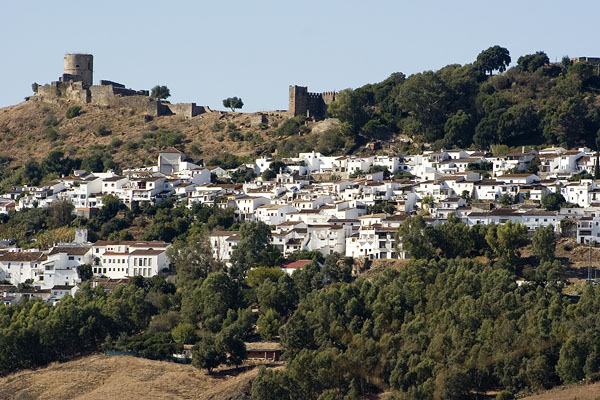
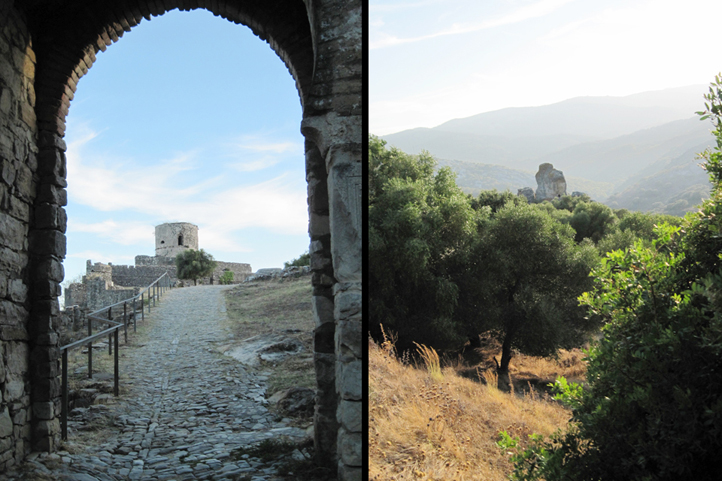
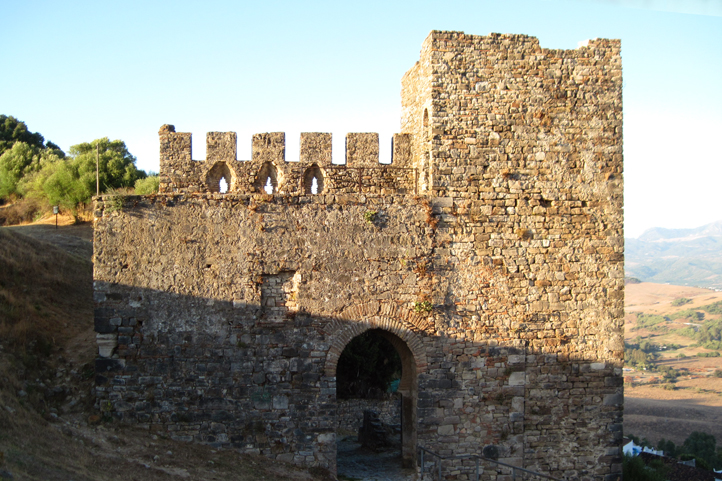
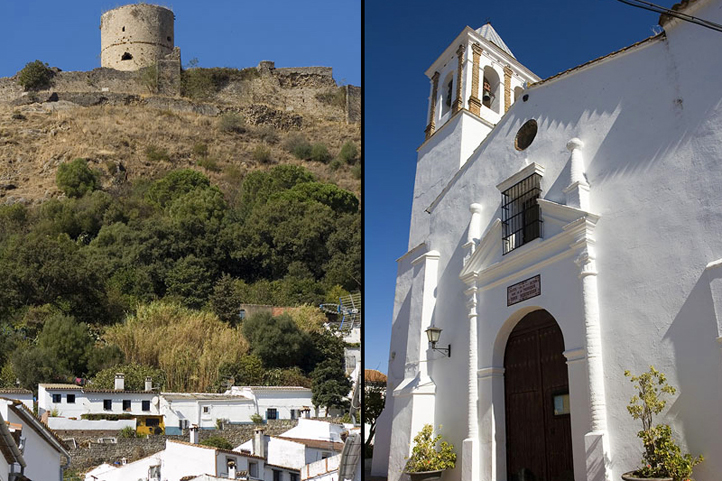
Jimena is one of those villages you relax into immediately. It's relatively free of traffic, making strolling around a pleasure. There's a small, shady park and four or five good restaurants within a few minutes' walk. It's also an easy climb through up to the quiet streets to the castle ruins. Based on Roman fortifications, the castle you see today was built by the Moors in the 13th century. We recommend a sunset visit to the castle. The hilltop views up here are truly marvellous.
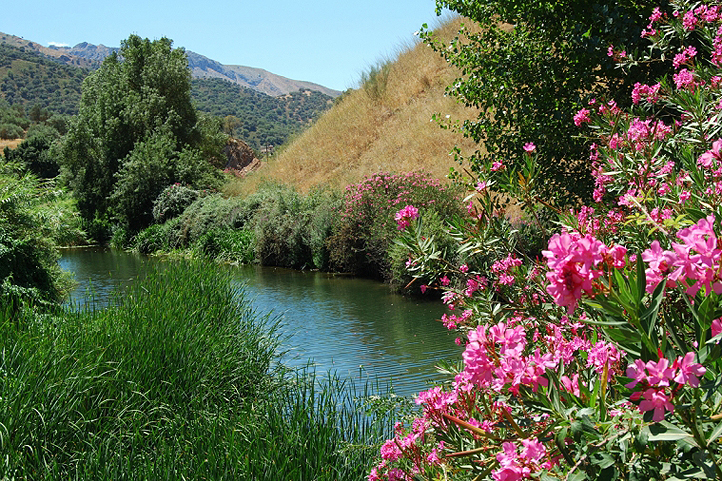
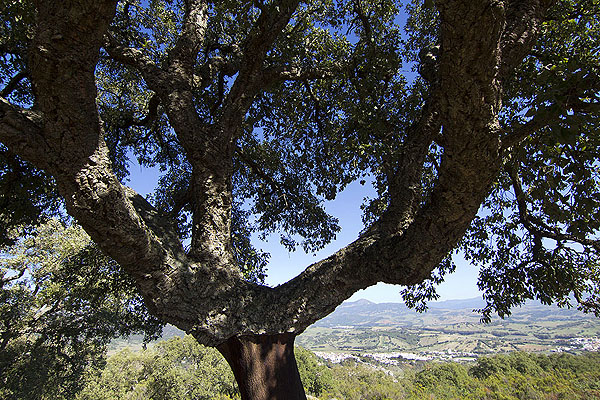
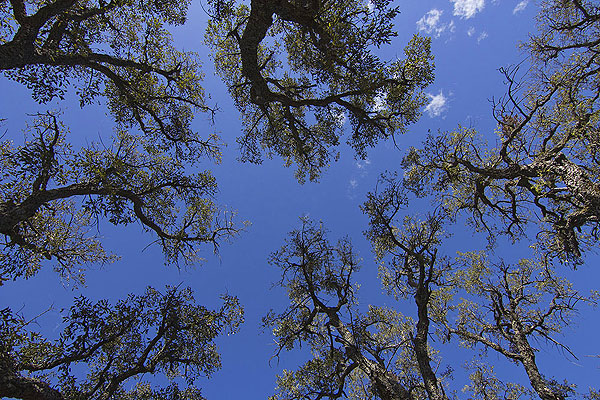
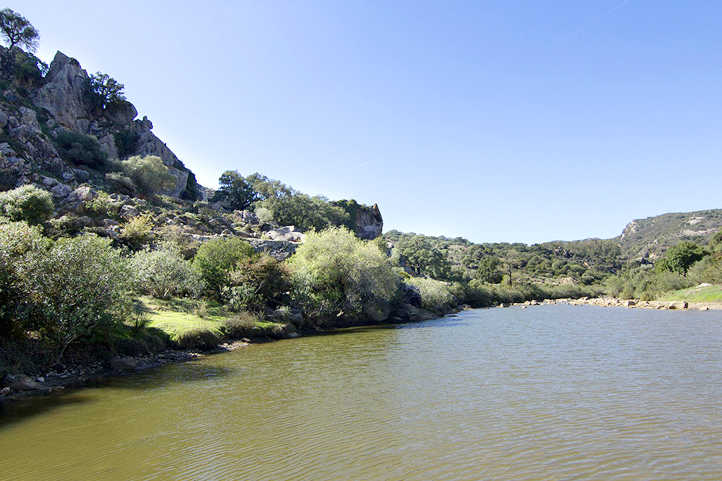
Walkers will want to explore along the Hozgarganta river, where you´ll come across the remains of an aqueduct and an artillery blast furnace made by King Carlos III in the 1770s to furnish cannonballs for the battles of Gibraltar. Maybe take a dip where the river pools, or throw bread to the turtles and fish. You may see kingfishers, swallows and, if you're lucky, otters or mongeese. and take a trail into the Alcornocales (Cork Oak) Natural Park which surrounds the village.
In 40 minutes you can be at the coast. Rustical Travel's recommended beaches are at Torreguadiaro, Playa de las Arenas which stretches out from Cala de la Sardina bay, and Playa de Chullera at Manilva. In an hour you can be at Tarifa, where surfers and beach lovers will be at home and boats go out for whale watching (best in July), and across to Morocco.
LA LAJA CAVE
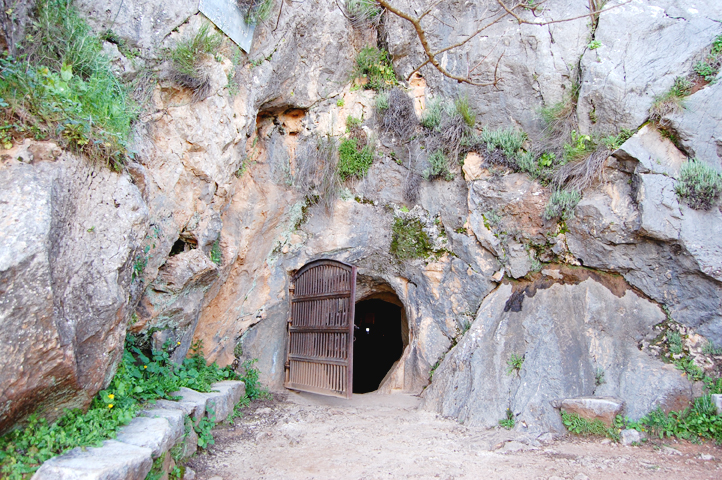
Deep within the Alcornocales Natural Park, in the Gomero Gorge, La Laja Cave has some very special historic paintings. Discovered only in 1978, the schematic representations are fascinatingly unique in depicting pre-Roman sailing vessels, which would have plied across the Strait of Gibraltar between the nearby coast and northern Africa.
PILETA CAVE
This is even more exciting than La Laja. On the way from Ronda to Gaucin and Jimena de la Frontera is La Cueva de la Pileta, a series of caves daubed with prehistoric paintings of human and animal figures in red, black and yellow, indicating human settlement over 25,000 years ago. It's remarkable for being so informally open to visitors when paintings of a similar antiquity the caves of Altamira in Northern Spain are off-limits.
GRAZALEMA
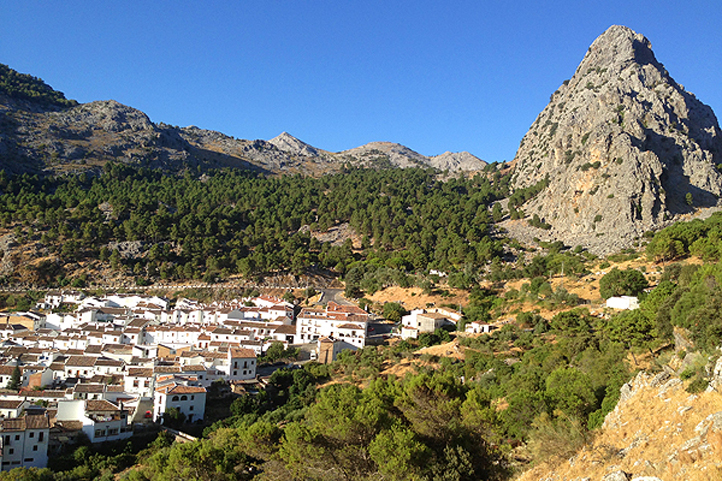
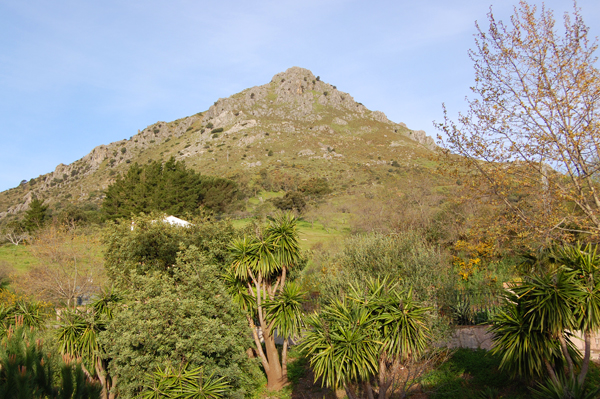
Grazalema (population 2,250) is similar in size to Gaucin, but better preserved and an easier drive to Ronda. Its secluded location in the middle of its own protected Natural Park makes it a major destination for exciting hikes or just leisurely rambles through beautiful, forested, limestone terrain. Hillwalkers adore this gorgeously green corner of Andalusia.
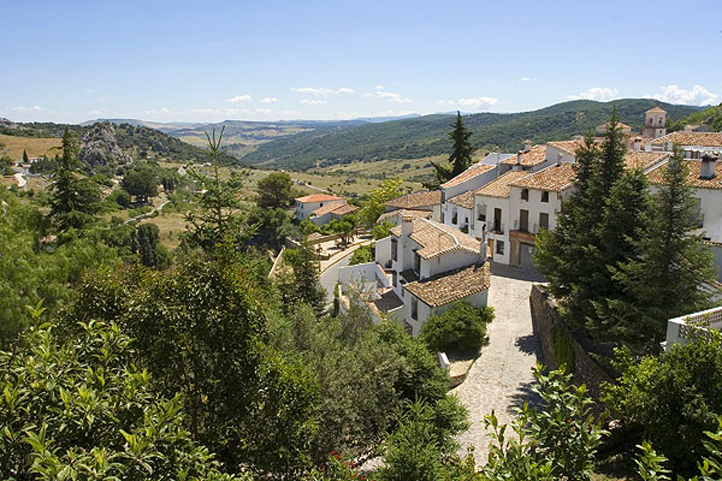
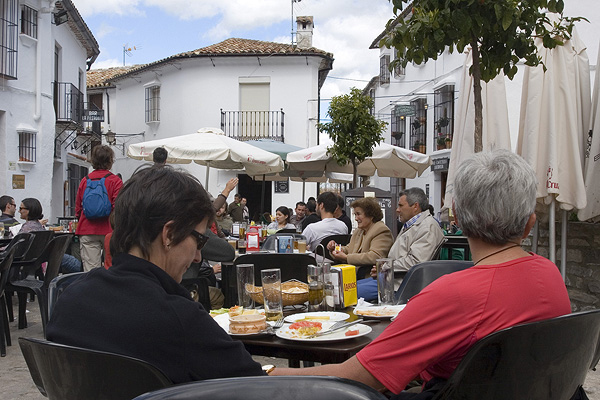
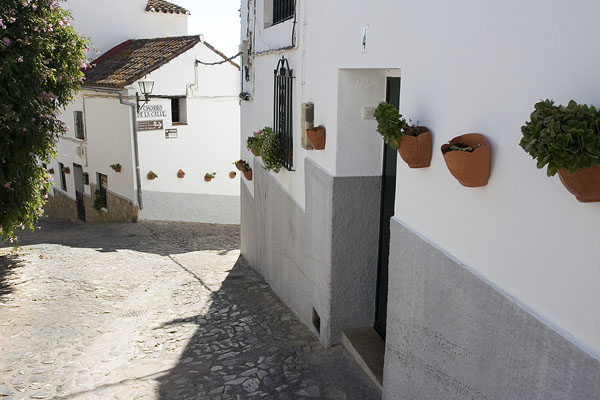
It's is a lovely old village, immaculately kept and decked out with geraniums and other colourful plants behind the wrought iron bars of the windows. Grazalema's attractions feature good, well-priced restaurants, imaginative spa baths and a fondness for fiestas. Restauranteurs and bar owners set out tables and chairs on the appealing main square, where you will find a tourist office, the village hall and the 18th century church of La Aurora.
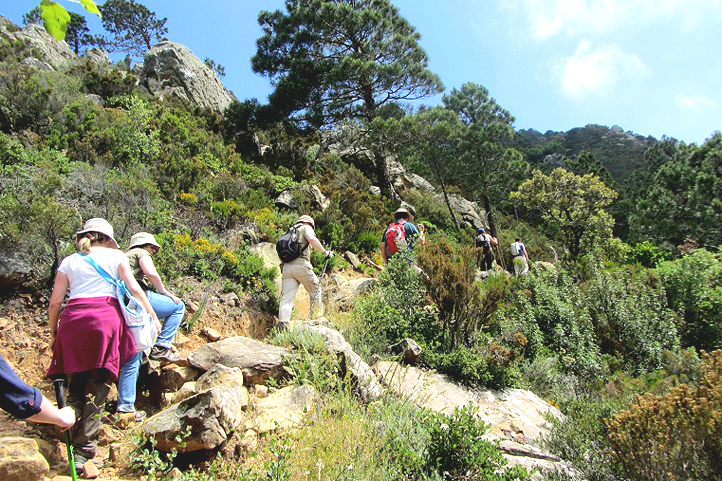
The Ronda Mountains are an open invitation to walkers and Grazalema is a mecca for walkers and birdwatchers and there are some simply wonderful hikes. Guided walks are available and can open up the country to you in a way that going on your own might not, and you should hire a guide if you want to explore the limestone caves, but otherwise self-guided walking is the norm.
One of the best walks is the circular route that starts at the camp site just above the village and goes clockwise around the base of the Peñon Grande, which is the large mountain that overlooks the town. On the towering rock face of the Garganta Verde (Green Throat Gorge), dropping vertically a dizzying 400 metres, nest griffon vultures.
As if that wasn't enough, an astonishing cave systems lie hidden beneath the living landscape, The Cueva del Gato (Cat Cave), should be explored only with a guide, but you can enter the cave mouth safely and swim in the natural pool beneath the waterfall cascading from the cavern's opening.
Another circular route, the Cerro de Coros walk is short but stunning and with vantage points for raptor watching. The 3.5 km circular walk takes 2 hrs only but you are likely to spend a lot longer if the eagles, vultures and other raptors are flying.
We include directions for this walk along with much more information for Grazalema in the detailed Local Guide we send to Rustical Travel holidaymakers.
MOUNTAIN BIKING
A fascinating choice is the Ruta de la Via Verde, which goes from Olvera to Puerto following an old railway track (built in the 1930s and never used) through countryside and a series of 30 tunnels. The route of 39 km takes 3 hrs 30 mins and is mostly downhill, graded "easy."
GENALGUACIL
A modest, genuine Andalucia village with a couple of good restaurants and lovely walks all around. It is, however, home to one of the most original artistic initiatives in the whole of Spain. For a leisurely day out from Gaucin, a special Rustical Travel suggestion is this attractive village destination and the pretty drive there. Stop for lunch at a restaurant on the banks of the River Genal, with the option of a dip in the river first, and then on to Genalguacil to stroll through the open air art exhibits and watch the sunset.
During the first fortnight of August (in even years), artists gather to make pictures and sculptures that afterwards live on in corners of the village, making it into a veritable open-air museum. All manner of artists join in the venture in return for food and lodging, turning the streets into improvised workshops. Only local materials are employed in their creations. A museum houses the oil paintings and watercolours, while some 500 carvings and sculptures can be spotted around the village: don't be surprised if that cat you see looking down from a roof doesn't move...
SPANISH FIRS
Close to Genalguacil in Sierra Bermeja, a short walk takes you to the top of the mountain with breathtaking views of the surrounding valleys, forests and sea. This area is well known for a rare variety of fir tree called Pinsapo (Spanish fir), almost extinct in Andalucia and normally found only in Siberia! It has managed to survive here thank to a special microclimate, as this area is often misty, even when everywhere else around is completely sunny.
BEST OF THE REST
Open air swimming pools
Gaucin and Jimena both have municipal swimming pools that open in the summer, if you don't fancy driving 30 or 40 minutes to the Mediterranean beaches.
Genalguacil
The Sima del Diablo is a particularly beautiful walk but there are other also other options. We recommend local walks to Prado de la Escribana 3.5 hrs, circular, medium difficulty; and Jubrique 2 hrs, lineal, medium difficulty.
Canyoning in the area is an exciting and fun challenge organized by activity agencies.
Genalguacil is built facing west from a high hillside, where the panorama is impressive and the sunsets can be quite spectacular.
Grazalema
Appreciators of architecture should start at the main Plaza de España for the 18th century La Aurora church, the parish church of La Encarnación and the Town Hall (Ayuntamiento). Visit also the 17th century church of San José, formerly a Carmelite convent with paintings by one of Murillo's students. Close by is a viewpoint with a lovely view over the village.
Neilson Gallery displays art works by Spanish and international artists, with changing exhibitions. Also has free WiFi.
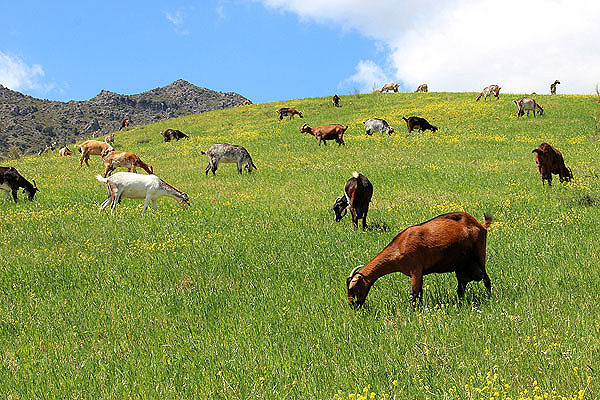
Just outside Grazalema village is the Queso Payoyo cheese factory, open to the public. Try the goat or sheep cheese, or the combination of the two. Also, natural yoghurts. Local produce par excellence!
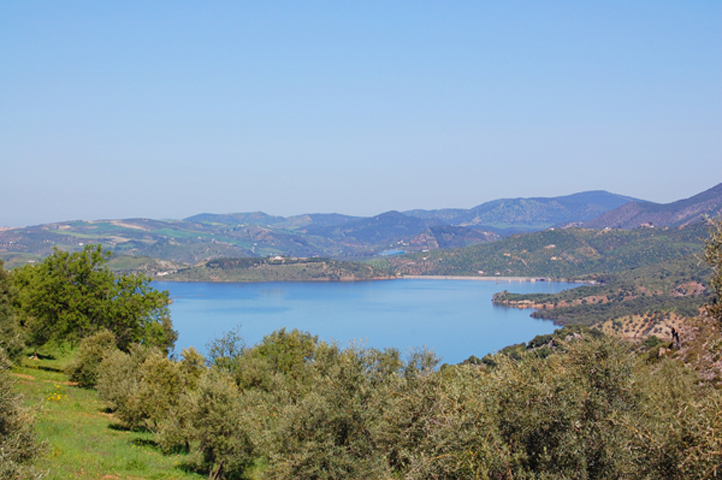
Arroyomolinos swimming lagoon and beach is 25 minutes from Grazalema by Zahara Lake and at the foot of Mount Prieto. Playita Arroyomolinos is a delightful and well-kept recreational area with a large lagoon for swimming and lawns with shade under trees. Good for toddlers, too, with easily accessible shallows for paddling along the water's edge. Inflatables are allowed. It's a fabulous destination for a picnic and a swim between olive groves and mountains. There are lifeguards,a bar-restaurant, barbecues, play areas, toilets and secure car parking.
Acinipo
A Roman site near Ronda. There is a Roman theatre with excellent acoustics and a ridge-top view for miles and miles around. Smuggle lunch in with you and have a picnic-with-a-view. An unusual event in the areas is the Romería Romana. Unusual because it isn't Catholic but harks back indeed to ancient Rome. On the second weekend in June, locals in the neighbouring parish of Puerto Sauce dress up in togas and parade the goddess Ceres, before playing games and theatrical events such as the Romans would have enjoyed in Acinipo.
Setenil
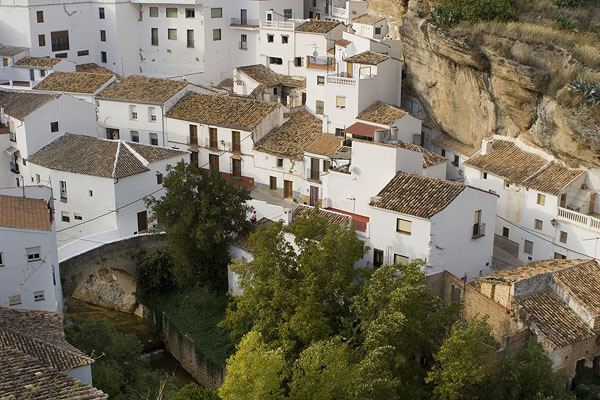
After a visit to Acinipo, drive on to Setenil, another of the white villages whose main claim to fame is a number of bodegas built into the cliff face where wine was historically stored, until phyloxera ravaged the vine stock. Not many tourists find the place and the upper part of the town is well worth a visit.
El Gastor
is one of those unassuming Andalusian villages where the church bells chime happily, old men adorn the square under towering palm trees, and nothing much ever happens. It makes an agreeable difference to be in a place where people still greet each other in the street, where the simplicity of a restaurant belies the quality of its home-cooking – and you get more change in your hand for a beer or coffee than you're used to...
Dolmen del Gigante
In Europe's prehistory, corpses were left to rot, in a sitting position, in high, remote places.
Then, sometime in the 4th millennium BC, began the custom of interring bodies in cave-like chambers made out of vast slabs of stone. They would be topped with a rounded tumulus of earth, or barrow. In these megalithic tombs, known as dolmens, whole families, or even entire communities, could be given burial. Within heavy stone walls that inclined gently towards the entrance, as if to offer eventual guidance, the corpse would be deposited alongside tools, jewels and precious ceramic items.
Dolmen del Gigante (the Giant's Dolmen) has been standing above El Gastor for 6,000 years. Its internal passageway is 9 metres long and 2 metres high. It wasn't discovered until 1970 and still had a number of axe and arrow heads inside, as well as pottery shards.
Montecorto
Little Montecorto (700 inhabitants, altitude 490 metres), is just 20 minutes from Ronda. It's built on a forested hillside where the highest properties in the village have beautiful views of the countryside and the Sierra de Grazalema. Montecorto ("little mountain") is the most westerly settlement in the province of Malaga. The village is younger than many others in the area, since in days gone by the gentle mountainside on which the village is situated offered little protection in time of war. Both pretty and quiet, it particularly noted for the abundant springs which flow through the streets past flower-decked white houses. Like many small Andalusian villages it turns completely silent during the afternoon siesta time. The shops then reopen at 5 pm and life starts up again.
FIESTAS
Every village celebrates at least summer fiesta and its patron saint amongst other holidays. Holy Week is taken especially seriously in the religious calendar with major processions in Ronda.
Ronda town's May fair is a major event that takes during the second half of the month. The Feria de Mayo is by tradition an agricultural and livestock fair and animals feature significantly in the proceedings. Beef cattle are displayed, there's a dog show and a thoroughbred horse contest.
Romería de la Virgen de la Cabeza takes place on the second Sunday in June. The image of Ronda's patroness is carried through the streets from the church of Santa María de la Encarnación as far as the Mozarabic sanctuary of the Virgen de la Cabeza hermitage. Festivities ensue with dancing and singing, eating and drinking.
The Feria de Pedro Romero is Ronda's main international fiesta. It takes place the first week in September. Accompanied by a festival of song and the folkloric elements, the highlight is the event called the Corrida Goyesca which centres on the bullring. Bullfighting no longer forms part of the festival dedicated to Ronda's most famous matador, Pedro Romero. Instead, it is a pageantry of traditional costume and carriages. Many people bedeck themselves in 18th century dress as depicted by Spanish artist, Francisco Goya.
FOOD AND DRINK
Ronda's mountain location conditions its gastronomy and traditional dishes are based on ingredients to be found in and around the high buttress on which the town is set. Among these are rabbit (conejo a la rondeña), artichoke soup, lamb stew (cochifrito de borrego), loin mushroom-stuffed loin (lomo relleno de champiñones) and pig's trotter stew (guiso de pata de cerdo).
Other Ronda recipes are: partridge (perdiz), trout (trucha) pumpkin soup (caldo de calabaza) and mountain chestnut soup (sopa de castañas de la sierra). Desserts don't feature as strongly on menus, but do try yemas del Tajo made from egg yolk and sugar, or one of the pastry confections baked by nuns hidden away in Ronda's cloistered convents.
Ronda
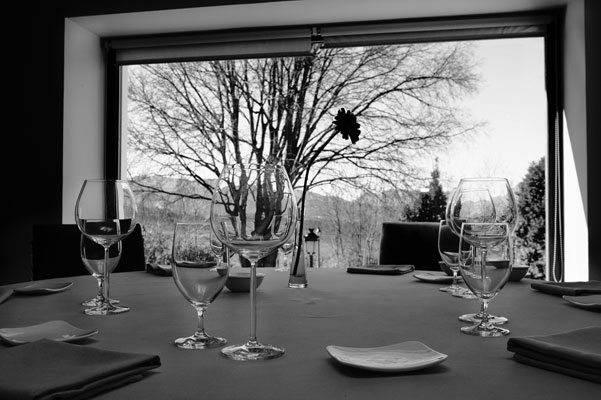
It produces sturdy wines and has its own anis distillery that makes sweet and dry varieties of the potent digestive liqueur. Recommendations for Ronda restaurants and tapas bars, as well as more restaurants in the villages are listed in the complete, detailed local guide that Rustical Travel holidaymakers receive before travelling to their Ronda Mountains holiday villa. Here you have 4 of our personal favourite restaurants in Ronda town:
• Los Cazadores - At the very top of the pedestrian street, Calle Espinel, on the right. Good tapas and main courses. The house speciality is deep-fried aubergine slices (‘berenjenas fritas’). It is also worth to try its excellent fish dishes. Meal for 2 with wine approx €30.
• Bar Maestro - Also in Calle Espinel, this authentic Spanish Tapas bar offers different traditional dishes. It gets very busy.
• Tragatapas - Fantastic tapas brought to you by the Tragabuches team (see below). Great tapas and wines including their own Pasos Largos red. Meal for 2 with wine approx €35.
• La Taberna - Great Tapas bar in Plaza del Socorro. Superb local wines and very good service.
Gaucin
For a village of its size – you can walk across it in 15 minutes – Gaucin has a decent number bars which serve good tapas and at least two good restaurants open all year round. For a special dinner out try:
• La Fructuosa - A restaurant of long standing in the village, it serves Mediterranean cuisine in the elegantly rustic setting of an old wine press. It offers stylish food and a good selection of wines. On its spacious terrace, it's possible to eat enjoying views of Gibraltar and even the mountains of Africa.
Jimena de la Frontera
Typical local dishes include pork, goat or hunting, vegetables, legumes and vegetables, and good pastries, Arabic tradition. Some of the local restaurants we recommend are:
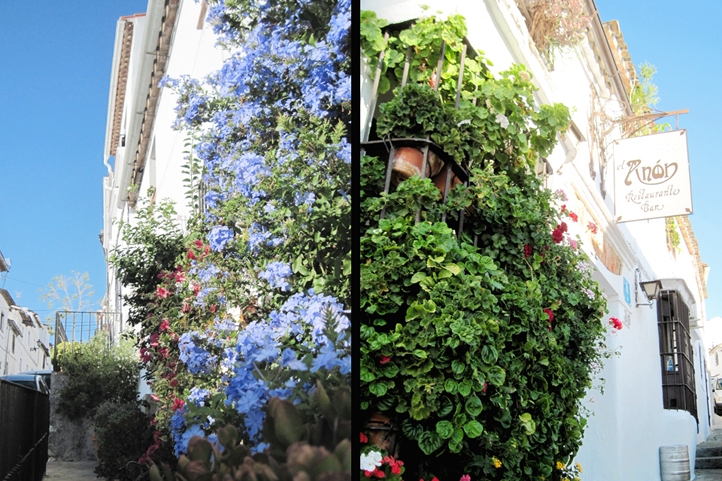
• El Anon - It is a comfortable, old pub-style venue for good meals, although nearby San Pablo has perhaps the best restaurant in the Jimena area.
• Restaurante La Estación - Is made from a converted train station building, it has lots of charm and excellent Mediterranean cuisine. Curiously, passengers can still alight and get on trains here. So you could leave the car here, take a train to Ronda (or Algeciras, even Granada if you change trains, although that's a long way), come back, have dinner at the restaurant and drive home.
Grazalema
Typical local dishes include lamb, trout, bean soups, a unique asparagus gazpacho, wild mushrooms, dairy sponge and almond cake. We particularly liked:
• Casa de las Piedras - Young and dynamic management is inventive without straying into pretention. Attentive staff, a pleasant atmosphere, good prices, and, most importantly, well-prepared, interesting and delicious dishes making the most of local ingredients.
Genalguacil
On the road to Algatocin we find:
• Venta de San Juan - It combines excellent cooking with a setting on the banks of the River Genal (and the option of a dip in the river first).
Most people drive there, but there's also a beautiful walk from Genalguacil with superb views as long as you're happy to paddle through the river. The menu is particularly noted for the charcoal-grilled steaks, although more elaborate dishes are also available, such as venison in gravy sauce, bull's tail, or chicken or rabbit stews. The desserts are worth mentioning here: chocolate mousse, chestnut cream and home-made cakes. The bathing area is close by this welcoming establishment. The river is slow and dips are a popular and natural way to cool off.
Zahara
Anyone staying in the area of Grazalema, El Gastor or Montecorto is well-advised to reserve a table at:
• Al Lago - Lakeside restaurant in Zahara. The chef cooked for some New York restaurants before finding this quiet hideaway.