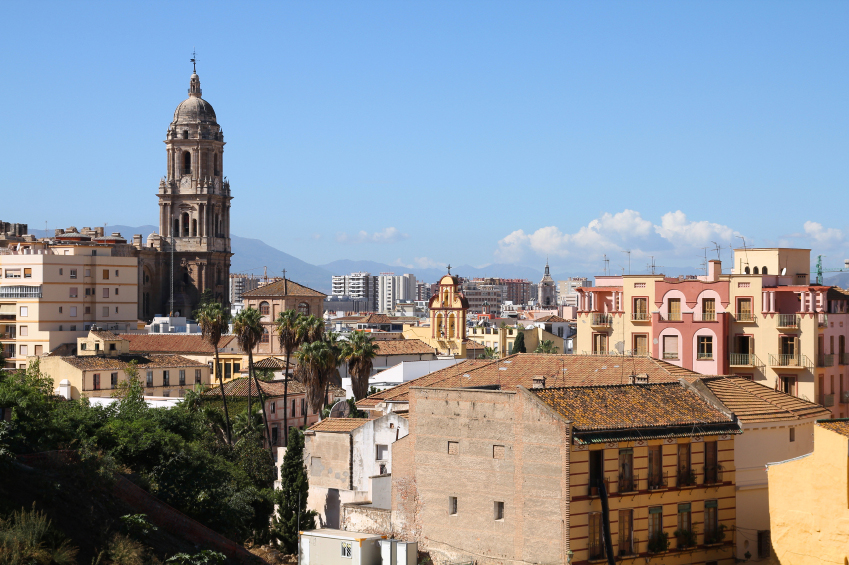
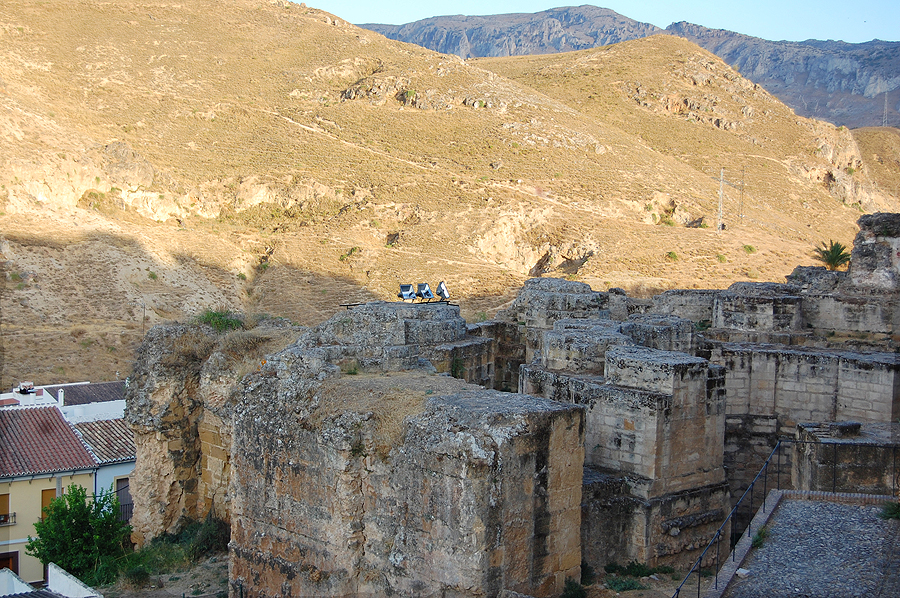
The friendly and cosmopolitan city is often overlooked by tourists who think of Malaga as being synonymous with its international airport. Malaga's Alcazaba fortress is the most beautiful living example of the period of Muslim domination. It is built on a hill in the centre of the city, overlooking the port, and comprises two walled enclosures.
The town's excavated Roman theatre remained buried for many centuries. It lies at the foot of the Alcazaba.
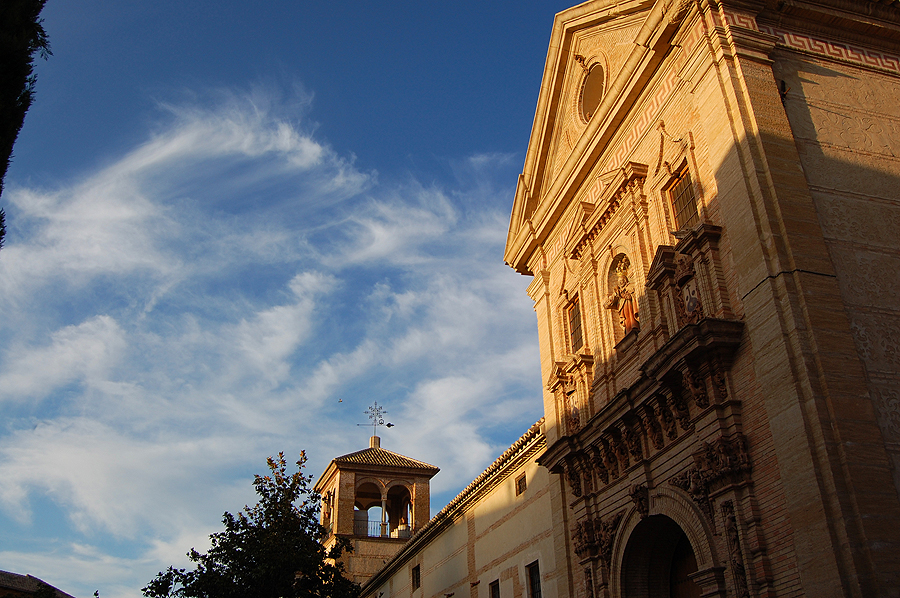
Malaga cathedral is often referred to as the La Manquita (The One-Armed Lady), as it still lacks of one of its towers. Legend has it that the money allocated for its completion in the 19th century was sent to pay for the wars in America.
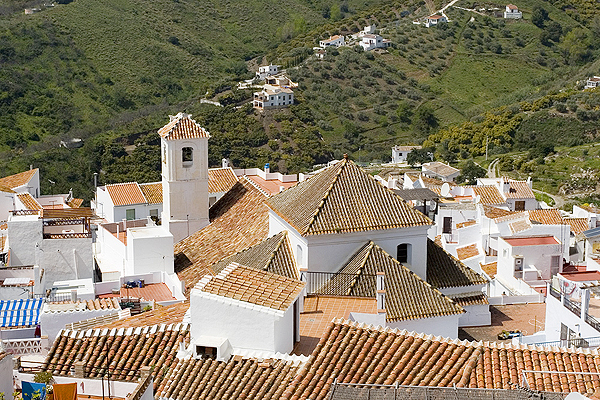
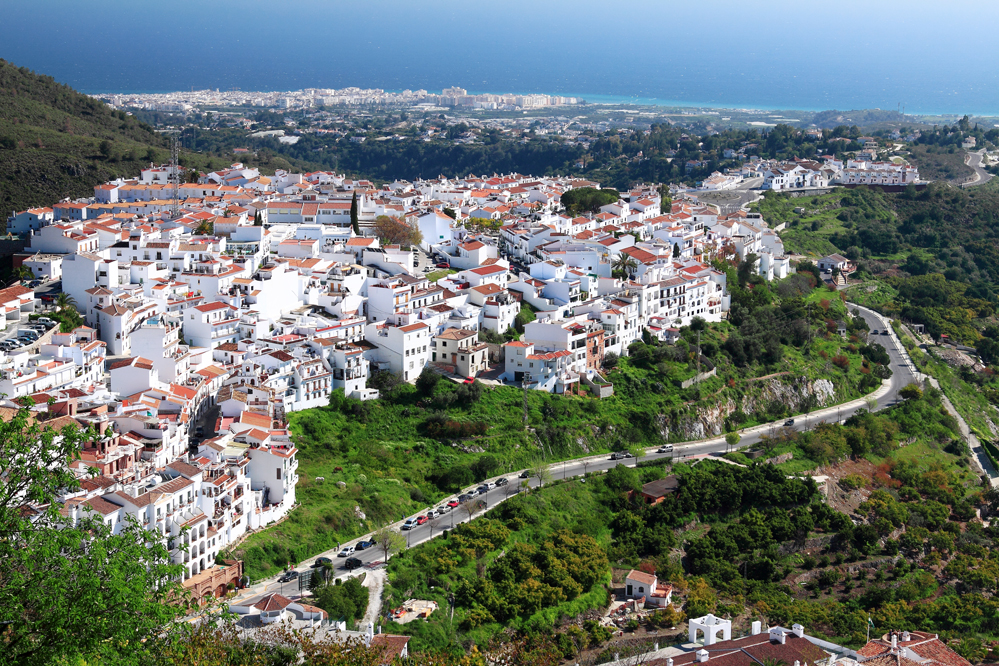
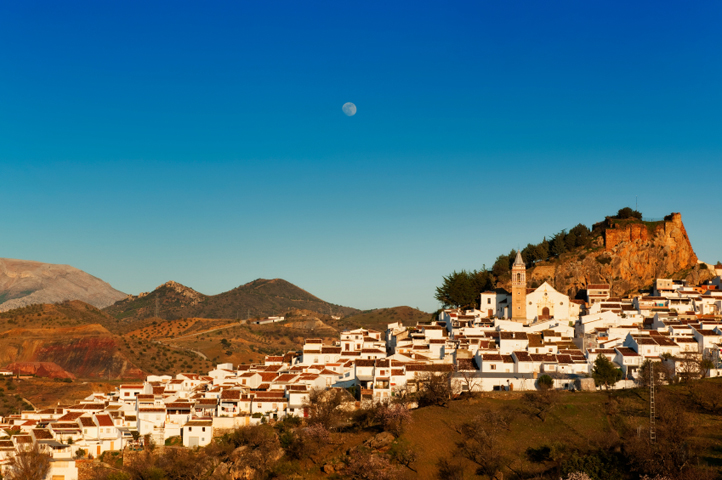
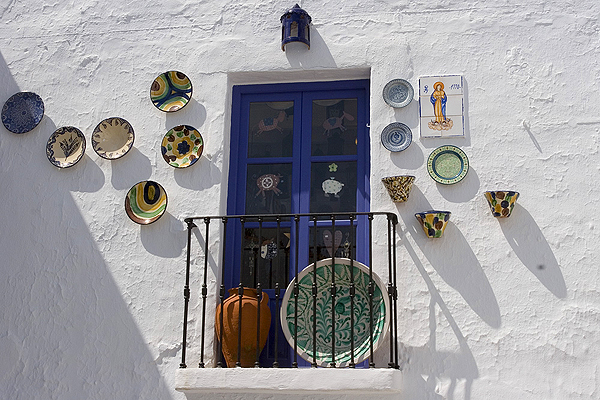
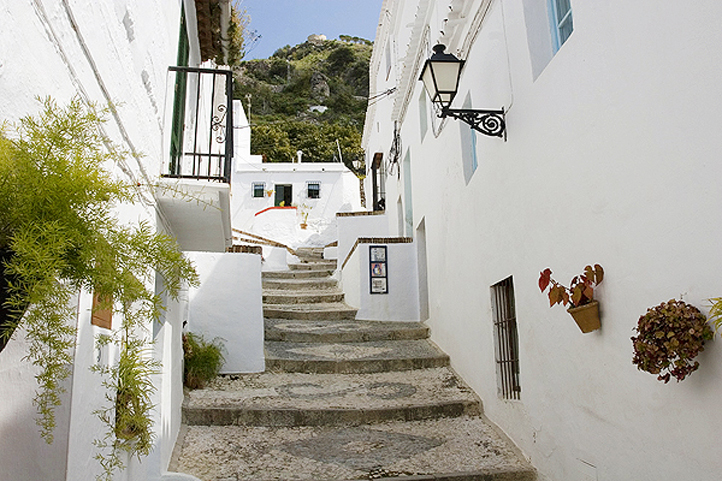
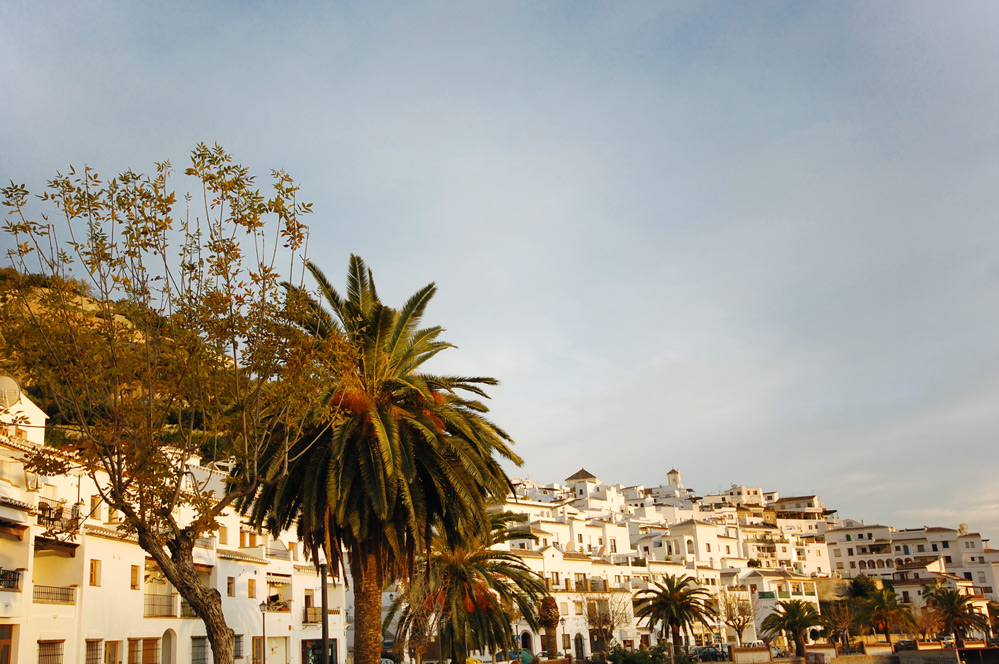
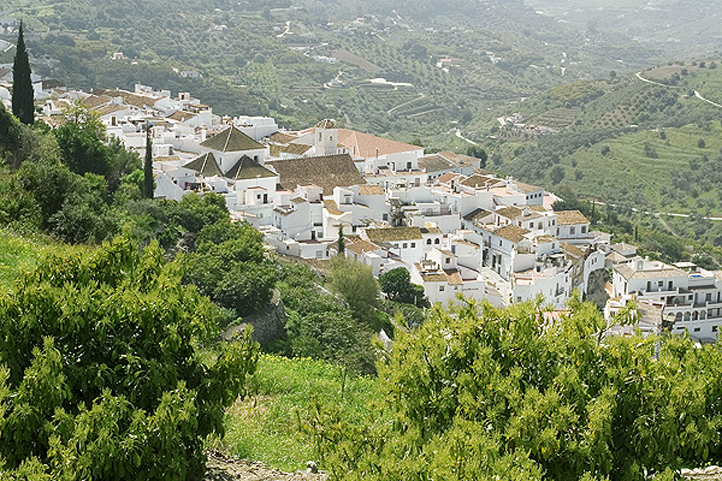
The old town is distinctively Moorish in appearance. We recommend that you visit the old quarter in the evening to wander the narrow, winding streets and alleyways. Try Frigiliana's dark miel de caña (cane honey).
NERJA
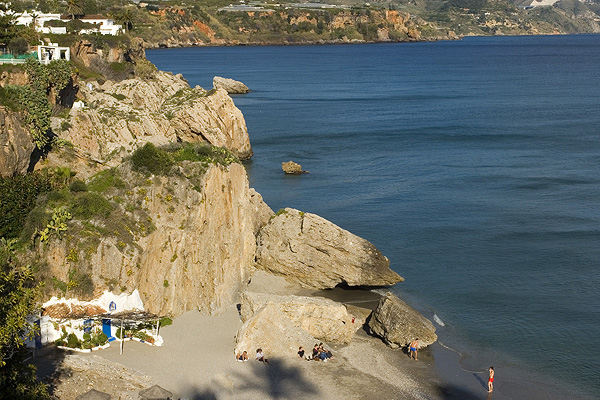
At nearby Nerja, you can enjoy beaches and the natural wonder of the great cave. Cueva de Nerja is a cool place to visit in both senses of the word. Galleries continue for 5 km. One stalactite and a corresponding stalagmite merge here to form the world´s thickest column of its kind. For one week every July, Nerja Cave becomes the unique evening venue for a Festival of Music and Dance.
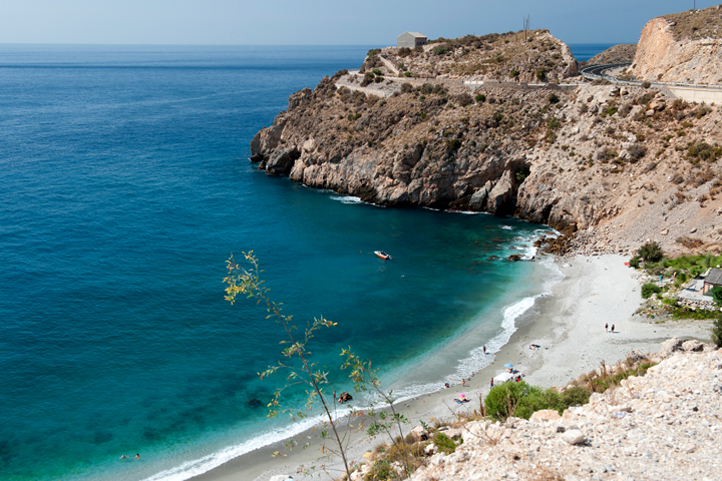
CLIFFS OF MARO (Cerro Gordo)
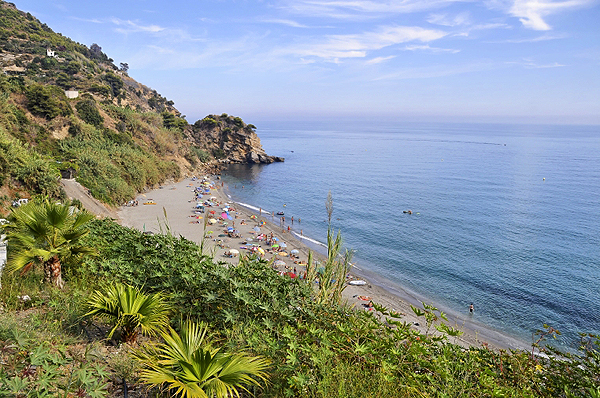
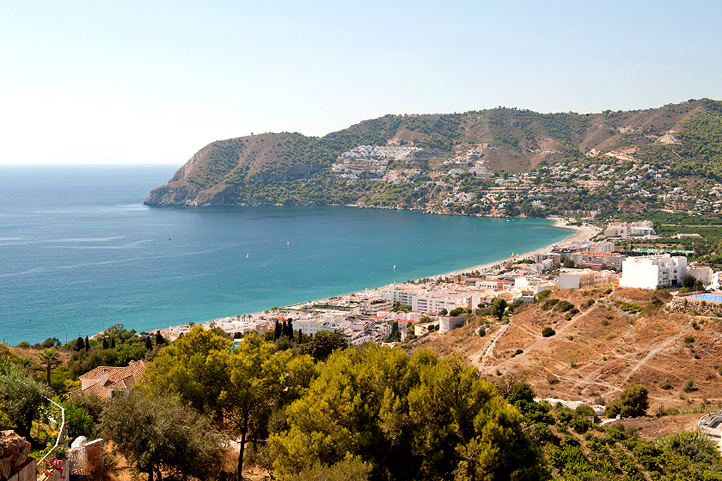
The small bays are naturally beautiful and tranquil. Cerro Gordo has a naturist beach.
NATURAL PARK OF TEJEDA, ALMINARA AND ALHAMA
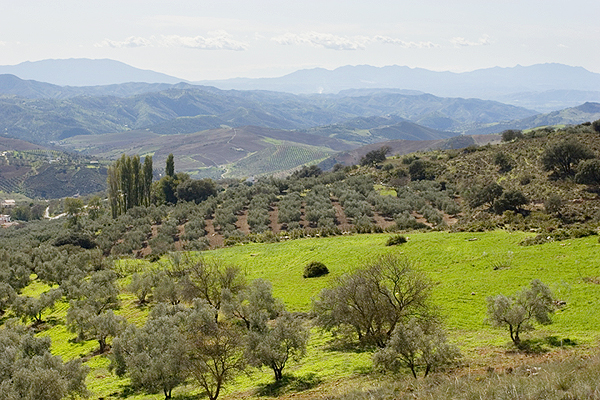
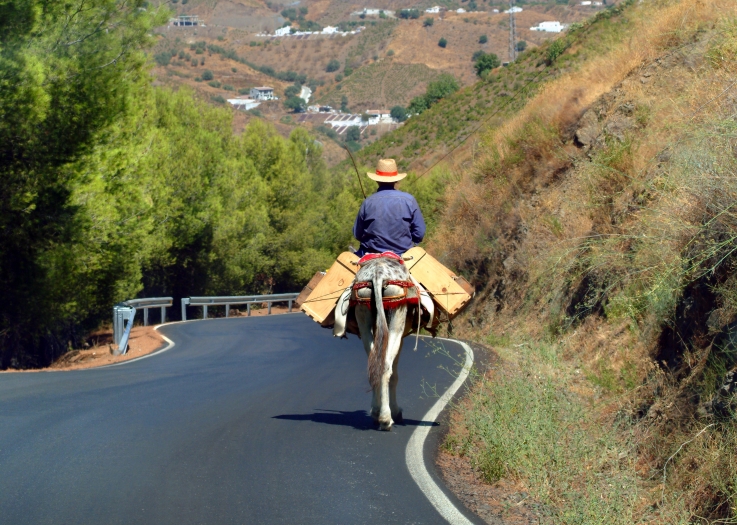
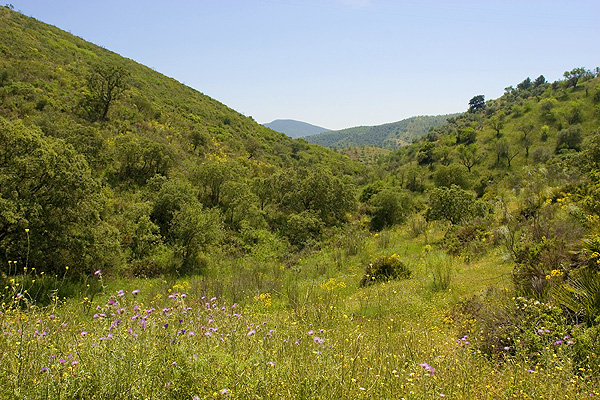
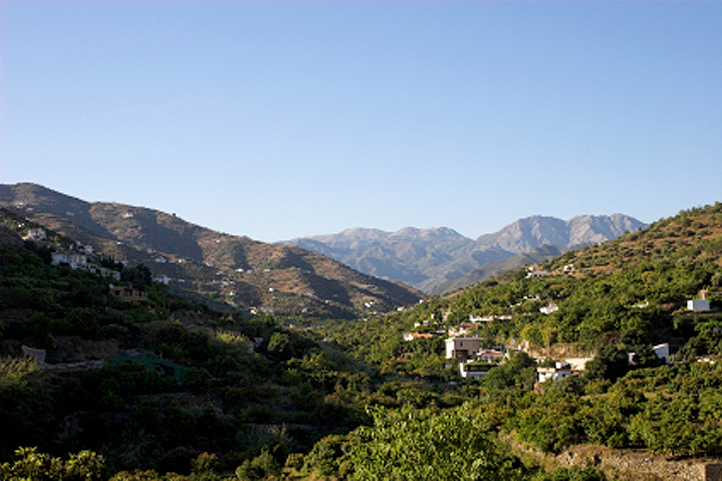
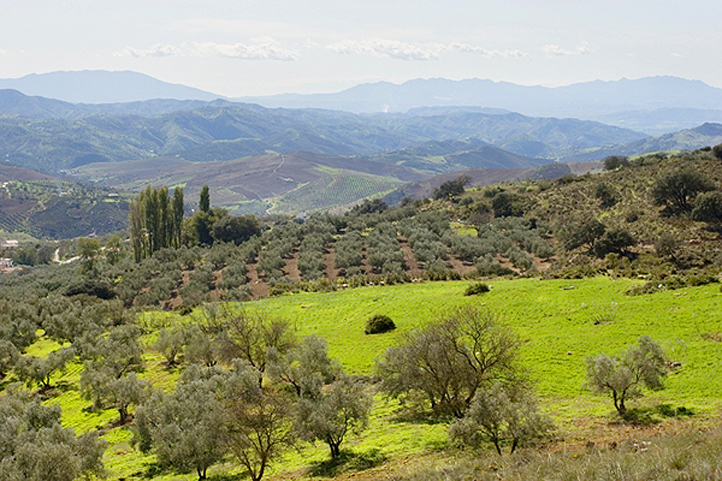
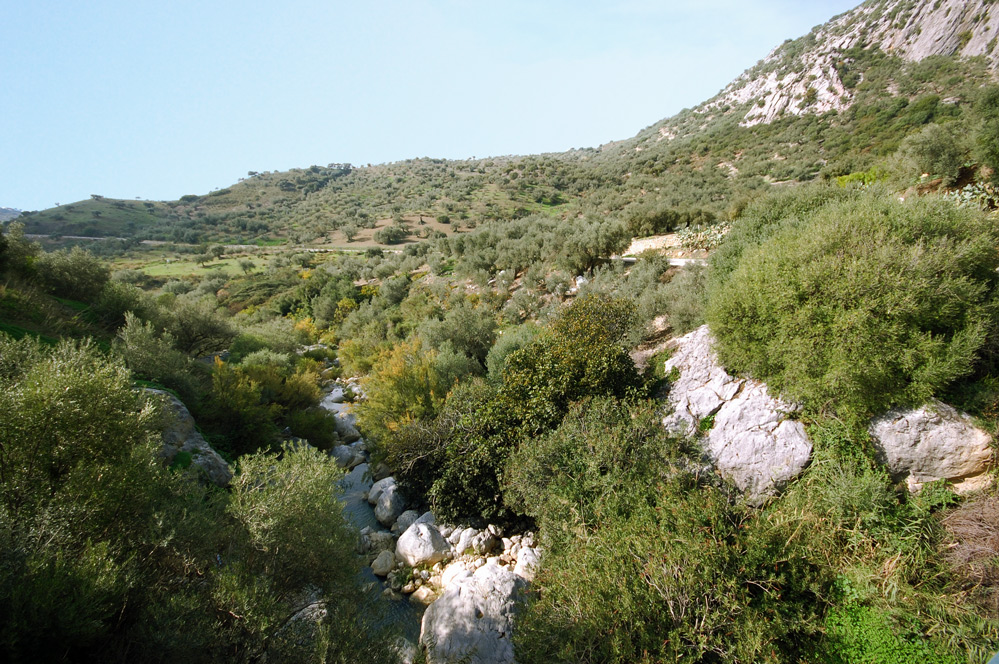
Mountains and forest, with mule tracks to hike. If the higher peaks like Maroma (over 2,000 metres) are too challenging on a hot day, there are easier hikes in the foothills and valleys, where tree-lined watercourses provide cool shade.
AXARQUIA BEACHES
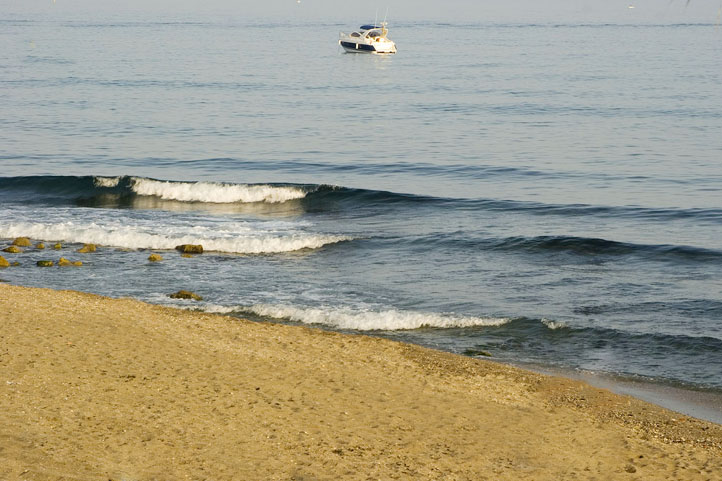
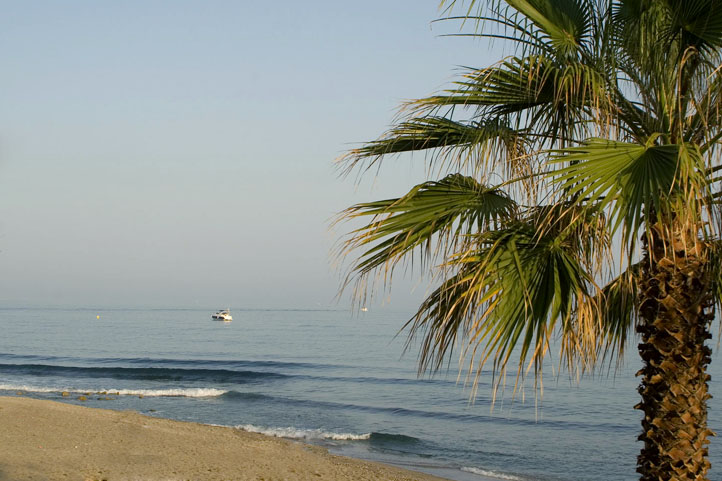
There are many and some fly the Blue Flag earned for the quality of the water, cleanliness of the beach itself, lifeguards, showers and good accessibility: Maro, El Playazo, Torrecilla & Burriana (Nerja), Torre del Mar & Benajarafe (Vélez-Málaga), and Mezuitilla (Algorrobo costa).
MONTES DE MALAGA
These mountains form another, much smaller, Natural Park just north of Malaga city. Walks go through pine forest and present beautiful views of Malaga and other mountain ranges in the province.
Lagar de Torrijos Ecomuseum
It stands in the midst of the dense pine groves so typical of the Montes de Malaga, at the beginning of one of the most attractive trails in the Nature Park.
EL TORCAL
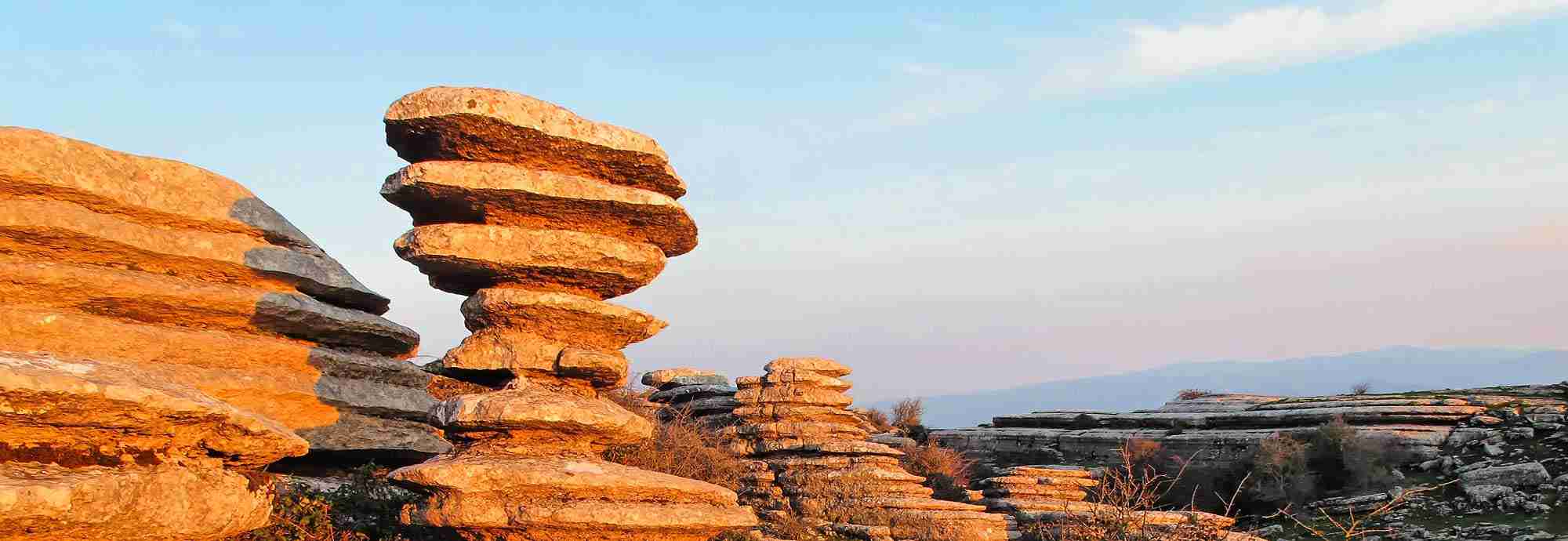
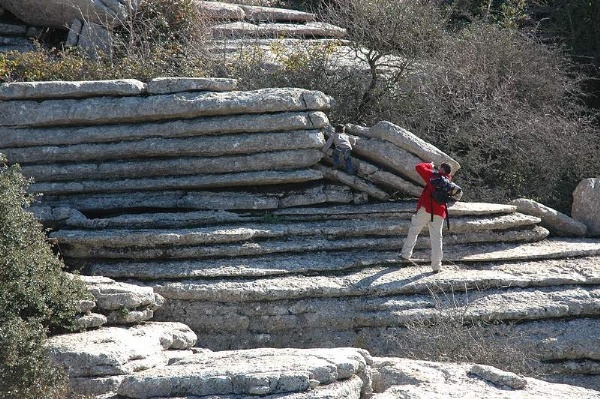
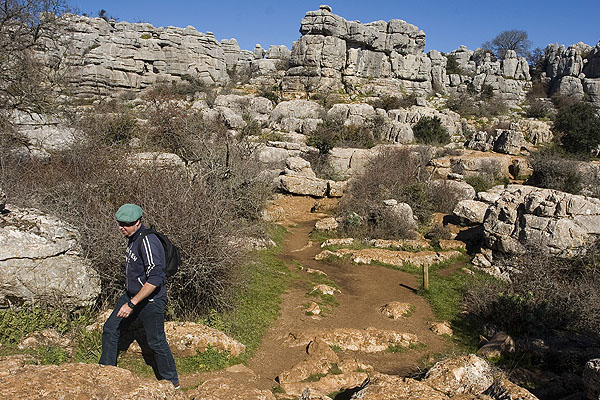
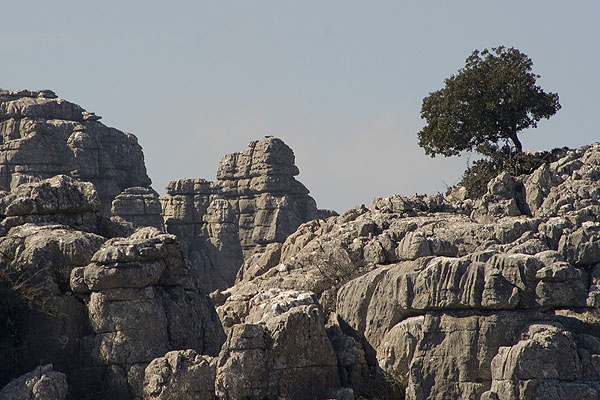
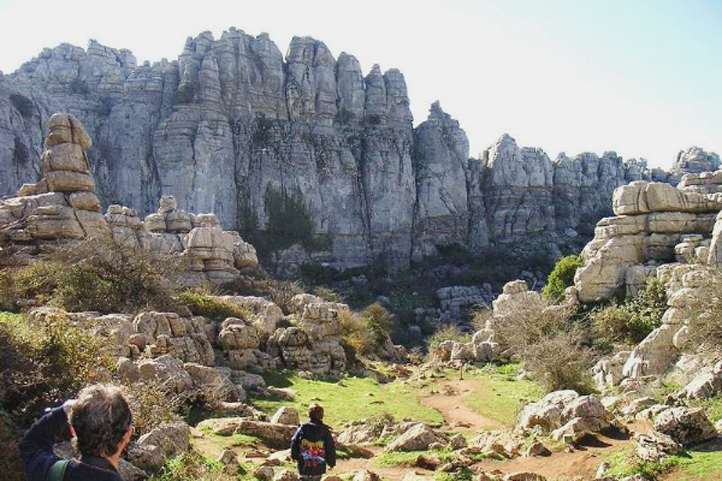
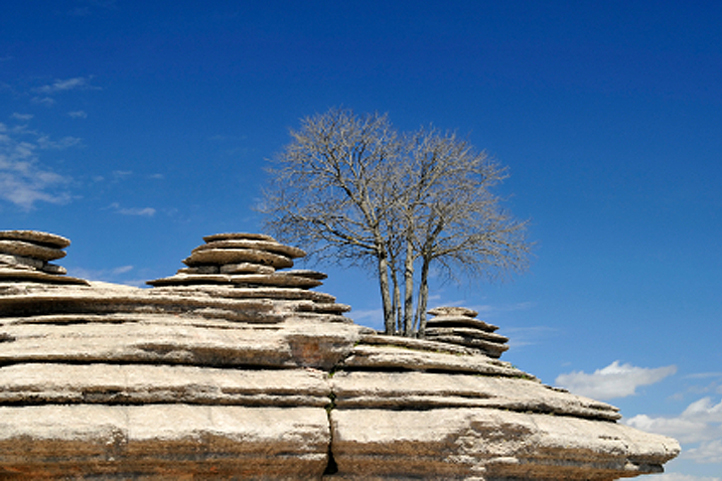
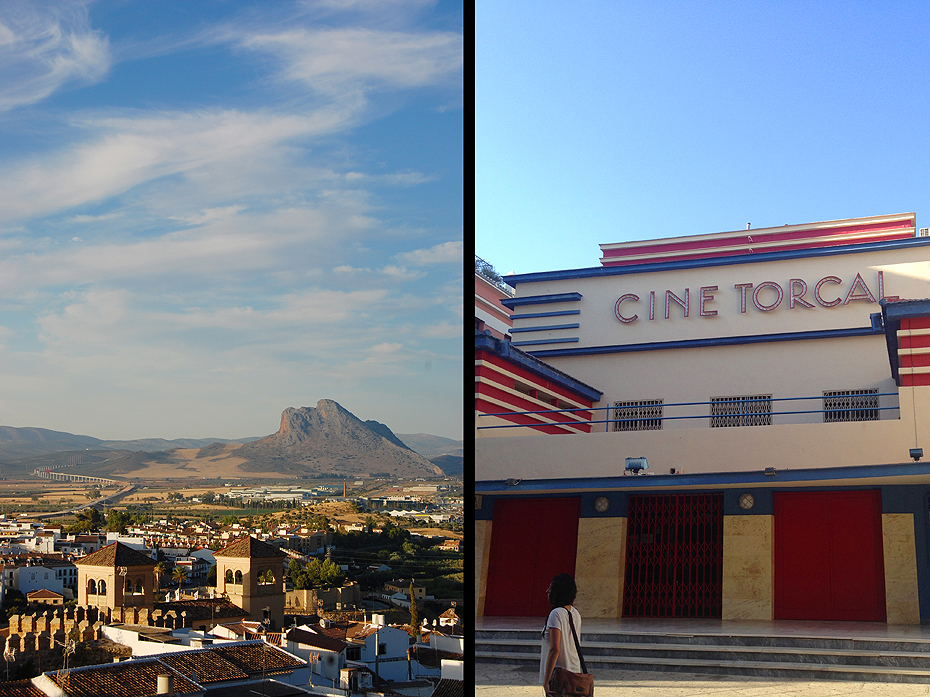
The uncanny rock formations of El Torcal Natural Park are always make for a rewarding visit. Well-signposted walks lead from its Visitors' Centre via caves and extraordinary limestone creations. The Park is home to foxes and weasels as well as hawks, vultures and species of wild orchid.
FUENTE DE PIEDRA
Also near Antequera is the scenic Fuente de Piedra, sometimes called the Pink Lagoon, since the protected lake is the second most important nesting site of the flamingo in Europe. The pretty birds gather after winter at this beautiful, vast and rare salt lake.
EL CHORRO
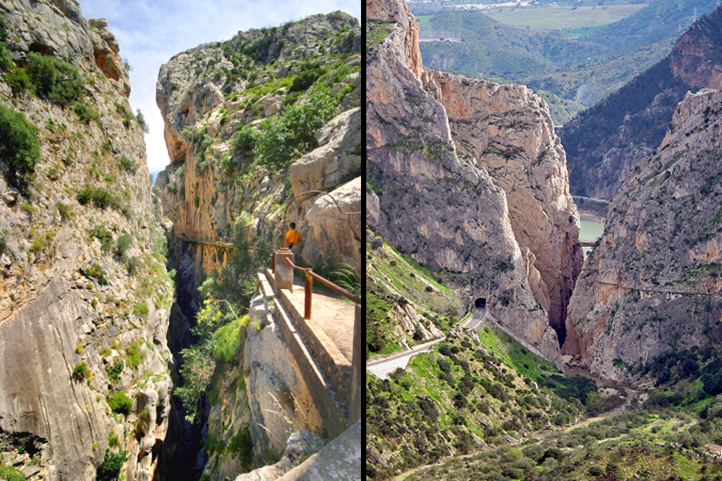
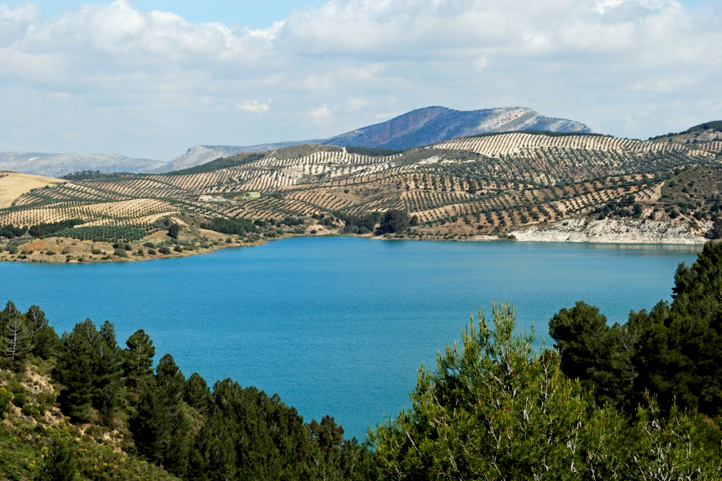
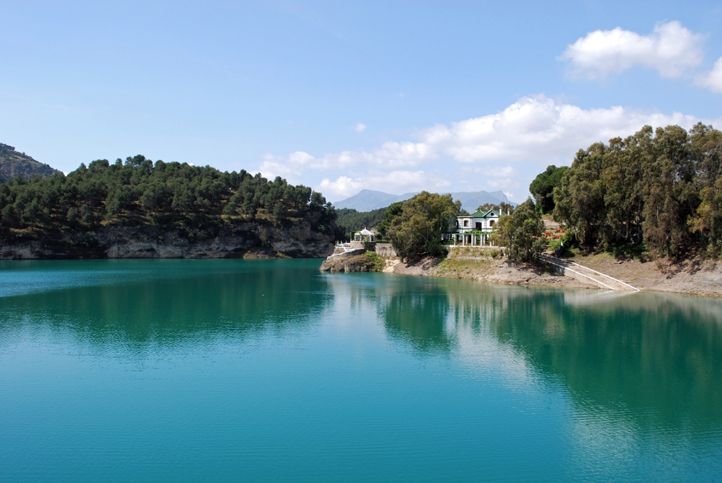
Warm, dry Andalucian days may have you looking for more lakes. We recommend the delightful lake district of El Chorro. It's a perfect spot to picnic, swim or fish. Three turquoise lakes, with pine forest reaching down to the shores, are watered by a river that over the ages has worn the astonishing 180-metre Garganta del Chorro chasm through the limestone rock.
EL CAMINITO DEL REY
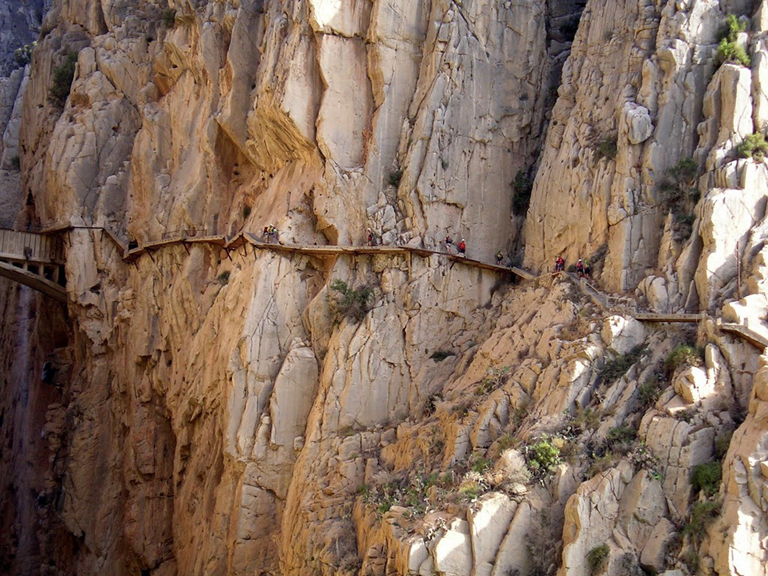
A very special attraction here for the more adventurous is the Caminito del Rey. Once dubbed the most dangerous walkway in the world, and apparently clinging improbably to the cliff at a great height, it has been completely repaired and made safe for visitors.
FIESTAS
Frigiliana
On 13th June, the town honours its patron saint, San Antonio. A salvo of rockets and the flourish of reveille herald the start of five days of fiesta, each with a different set of attractions and competitions.
Three cultures festival: during the last week in August, Frigiliana gets dressed up in its party finery for a fiesta of culture and leisure, as it becomes the focus for a meeting of the three historically important cultures: Jewish, Muslim and Christian. With offerings of gastronomy, music and cultural activities, it is a reminder of a bygone age when Al-Andalus was a nexus of harmonious co-existence for people of the different faiths.
Malaga
Easter is a major festival in Catholic Spain and no more so than in Malaga. Processions begin Palm Sunday and dominate proceedings for Holy Week.
Antequera
A special Easter tradition much enjoyed by both locals and visitors is Correr la Vega (Running la Vega). At the end of the solemn, processional route, a warning bell rings out and the bearers start racing their heavy thrones up a hill. An exciting (and exhausting) race.
Riogordo
Easter is also the highlight of the year in the village of Riogordo. On Good Friday and Holy Saturday, El Paso (The Passion) re-enacts the Passion of Christ. The ceremonial open air performance has only been celebrated for 50 years but it is now considered an important local tradition.
Casabermeja
Summer fiesta is held on the first weekend in August.
Colmenar
Virgen de la Candelaria Pilgrimage and Feast of San Blas: first Sunday in February.
Día de la Pipa Pilgrimage: 3rd May.
Young Wine and Pork Products fiesta: December.
BEST OF THE REST
Frigiliana Museum of Archeology
A highlight of the exhibition is the skull of a child, discovered in the Cueva de los Murcielagos (Bat Cave), and dating from the Neolithic Age between 4,000 and 5,000 BC. In the natural surroundings, you can enjoy beautiful countryside and walks.
Colmenar
Some 35 km north of Malaga,Colmenar is set in the midst of the Malaga Mountains. The town itself is not so much old and entrancing as a genuine and pleasant agricultural village, where the production of honey is of particular note (colmena in Spanish is "beehive").
Lobo Park Antequera
Unique theme park with wolves. Enjoy a close sightseeing of these animals and learn about their behaviour. You can also go horse riding or take riding lessons.
Granada, Cordoba, Seville & Ronda
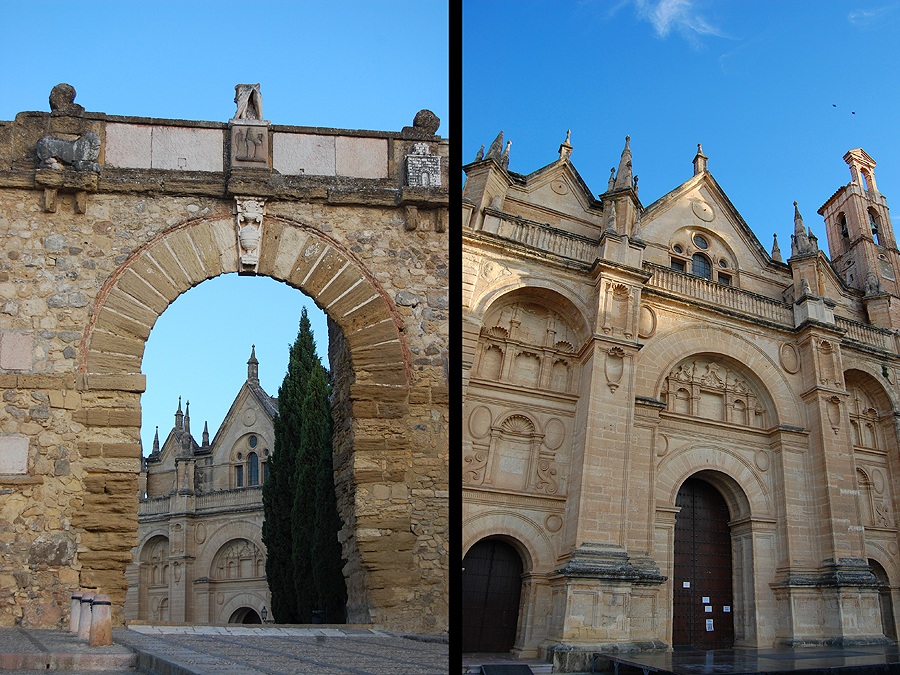
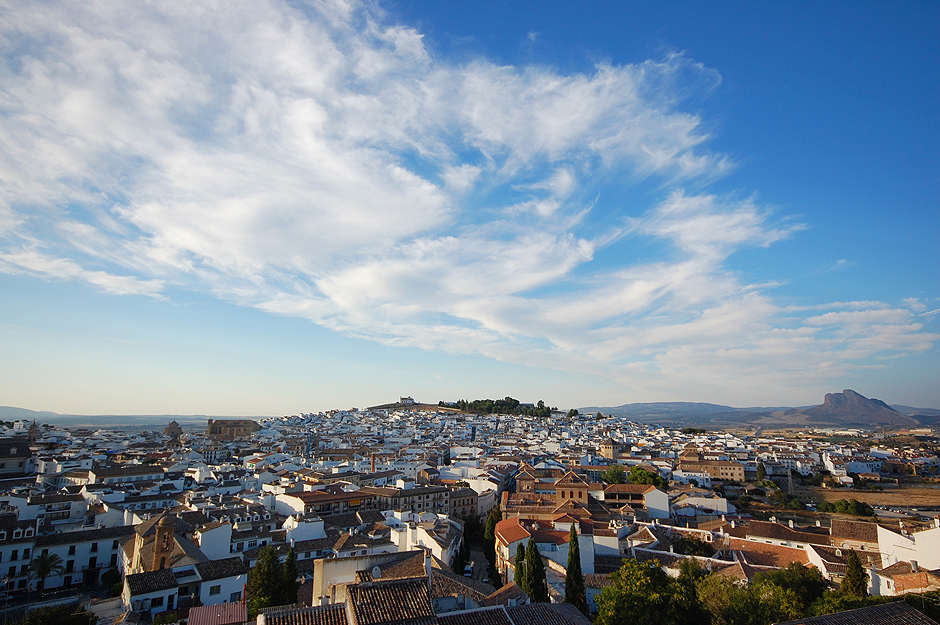
Antequera lies at the geographical centre of Andalucia's fabulous cultural cities, making it an exciting strategic hub for visitors. A good cross-country road from Antequera goes to Ronda in 1 hr 15 mins. Motorway takes you to Granada and Corboba in the same time and Seville in 1 hr 45 mins.
FOOD AND DRINK
Axarquia and Antequera´s cuisine embodies the Mediterranean diet perfectly. Vegetables, meat, fish, pulses and fruit are the basic elements, with dishes blending in whatever the mountains and the sea have to offer.
A varied local cuisine reflects the geographical diversity of the region. In the mountains, hams are cured and game dishes are common, whilst on the coast seafood predominates. However, seafood and meat are available everywhere.
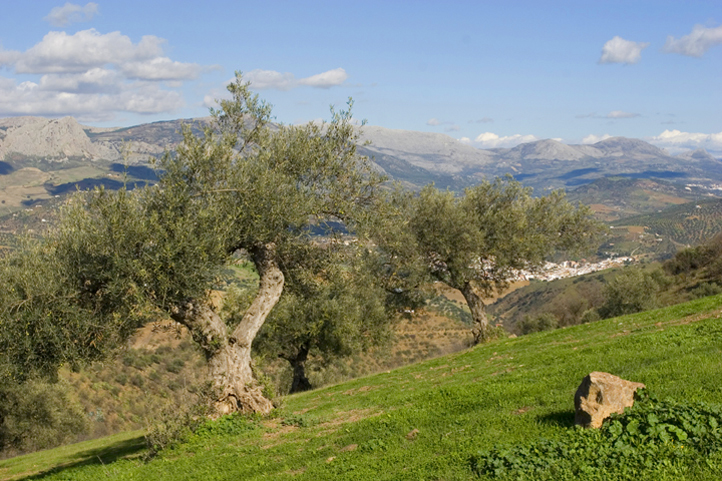
In the Montes de Malaga, dishes are based especially on oil and wine. This area is well known for its olive oil, exquisite honey and excellent cold meats. Among our recommendations for eating out in this area are:
• El Puerto - Situated in Casabermeja, this restaurant is great for fish.
• Puerta de Malaga - Also in Casabermeja, this grill restaurant is great for meat dishes.
• Meson El Pilar - Great local food and wine) in Colmenar.
Soaked dried beans are often added to meat stews. The classic method of preparing fish and seafood is to quickly deep-fry it in very hot olive oil.
• El Tintero restaurant is Malaga´s popular restaurant, famous for its pescaíto frito (fried fish).
Other fish and seafood are grilled a la plancha. Seafood soup (sopa de marisco) is found everywhere, varying in recipe and universally delicious.
The region also produces some fine sugary cakes and pastries.
Malaga's characteristically sweet wines have been mentioned in Andalucian literary texts over the centuries. Almost every village makes their own blend. Once the taste is acquired taste, they become very palatable, but be warned they can be mightily potent. The better known in Axarquia are from Frigiliana (from the Moscatel grape) and Competa, and taste similar to sherry.
Frigiliana makes a thick, dark cane honey that the locals like to pour onto avocado.